Toy Puzzles for Different Ages and Play Styles
Toy puzzles bring hands-on problem-solving into solo play, family time, and group activities. Options range from chunky wooden puzzles for toddlers to detailed jigsaws, logic games, and multi-step construction challenges for older children and adults. For young puzzlers, large pieces, simple shapes, and familiar pictures can make handling and matching more approachable. Preschoolers may enjoy progressive puzzles with increasing piece counts, while school-age children often explore themes such as animals, vehicles, maps, and fantasy scenes. Older players may prefer intricate artwork, 3D builds, or puzzles with clues and strategic rules. Consider who will use the puzzle, their interests, and the setting where it will be played. Ubuy offers a platform for discovering international toy puzzles, including formats and themes that may be less familiar in a shopper's usual selection.
- Options for varied ages and skill levels
- Themes for individual interests
- Suitable for solo or shared play
Puzzle Types: Jigsaws, 3D Builds, and Brain Teasers
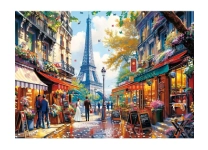
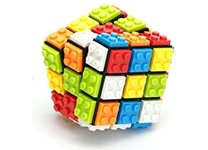
Jigsaw puzzles ask players to connect interlocking pieces into a complete image, with piece count, cut shape, and artwork affecting the challenge. Floor puzzles use larger formats suited to spreading out on an open surface, while wooden inset puzzles help beginners match pieces to shaped spaces. Three-dimensional puzzles build models, structures, or scenes, sometimes using interlocking plastic parts or shaped cardboard components. Logic and brain-teaser puzzles focus on deduction, sequencing, spatial reasoning, or finding a solution under specific rules. Some sets combine puzzles with game elements, encouraging turn-taking and repeated rounds. Brands such as Ravensburger, Clementoni, LEGO, and SmartGames are associated with different puzzle and construction formats. When comparing types, think about whether the player enjoys visual matching, building, or solving clues, and check the stated age guidance and play instructions.
- Jigsaws, floor puzzles, and inset designs
- 3D construction and model formats
- Logic games with clue-based challenges
Materials, Piece Counts, and Design Features
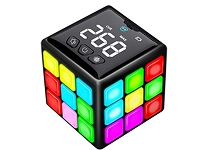
The material and construction of a toy puzzle influence how it feels to handle, assemble, store, and reuse. Cardboard jigsaws are common in flat picture formats, while wooden pieces can provide a sturdier feel and may be shaped for smaller hands. Plastic components appear in some 3D puzzles and reusable logic games. Check that pieces are clearly illustrated, fit together as intended, and are appropriate in size for the intended player; for young children, follow the product's age and small-parts guidance. Piece count is one measure of difficulty, but image detail, color variation, piece shape, and puzzle dimensions matter too. A high-contrast picture may be easier to sort than a scene with many similar shades. Review packaging details for dimensions, included components, and assembly requirements before choosing a set for a table, playroom, or travel activity.
- Compare materials and piece construction
- Look beyond piece count when judging difficulty
- Check dimensions and included components
Learning Benefits and Shared Puzzle Play
Puzzle play gives children opportunities to practice observation, visual discrimination, spatial reasoning, patience, and problem-solving as they test where pieces belong. Matching colors, edges, patterns, and shapes can encourage attention to detail, while building a 3D model involves thinking about how parts fit together. These activities can be adapted to different abilities: players might sort pieces by color, complete a small section, or work toward the full design at their own pace. Solving together can also create natural opportunities for communication, turn-taking, and cooperative planning without requiring screens. Choose a subject that invites interest, such as wildlife, transportation, or familiar storybook-style scenes, and offer help without taking over the challenge. Ubuy can help shoppers discover international puzzle themes and play formats for personal collections, learning spaces, or thoughtful gifts.
- Encourages observation and spatial thinking
- Supports patience and cooperative play
- Choose themes that sustain interest
Puzzle Accessories, Storage, and Care
A clear, stable work surface makes it easier to sort pieces and keep a puzzle undisturbed between play sessions. Sorting trays or small containers can separate edge pieces, colors, and distinctive shapes, while a puzzle mat may help move a partly completed jigsaw when the table is needed for another activity. Storage solutions should keep pieces together and protect the image or components from dust, moisture, and accidental mixing. After play, check the box or product instructions for any specific care guidance; generally, avoid bending cardboard pieces or exposing wooden and printed parts to excess moisture. For 3D sets, keeping components organized can simplify future assembly. When browsing Ubuy, compare puzzle accessories and storage options alongside the puzzle itself, paying attention to dimensions and the format each item is intended to support.
- Use trays to sort loose pieces
- Consider mats for flexible play spaces
- Store components together and dry
Select the Right toy puzzles
Start by matching the puzzle's recommended age range, format, and level of challenge to the intended player, then consider whether it will be used alone or with others. Check piece count alongside image complexity, component size, assembly steps, and the space needed to play. A beginner may prefer a small jigsaw or simple matching board, whereas an experienced enthusiast could enjoy a detailed image, a multi-layer challenge, or a 3D construction kit. Theme matters too: an appealing subject can make a puzzle more inviting as a present or recurring activity. Read the product details for materials, dimensions, included pieces, and any tools or batteries required, if applicable. Think about storage before choosing a larger set. Ubuy provides a place to discover international toy puzzles across formats and themes, helping shoppers compare product details before deciding.
- Match challenge and format to the player
- Review size, materials, and requirements
- Balance theme, play space, and storage