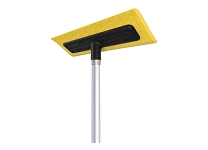
Snow Removal Tool Types for Different Tasks
Snow removal tools range from simple hand tools to powered machines, with each design suited to a particular surface and depth of snow. A snow shovel lifts and throws snow, while a wide snow pusher clears paths by sliding snow ahead. Combination shovel-pushers offer a versatile option for driveways and walkways. Ice scrapers and ice choppers help break compacted layers, and roof rakes let users pull snow from reachable roof edges while standing on the ground. For larger areas, snow blowers collect and discharge snow through a chute. Outdoor brooms can sweep away light, loose snowfall from steps, decks, or vehicles. Consider where snow collects and how often it needs clearing before comparing tools. Ubuy offers a place to discover international options across these tool types.
- Match the tool to the surface and snow depth
- Compare manual and powered options
- Consider storage space and clearing frequency
Snow Shovels, Pushers, and Ergonomic Features
A snow shovel's blade shape, width, and handle design affect how it moves snow and how comfortable it is to use. Narrower blades are easier to control in tight spaces, while broad pusher blades can clear open paths in fewer passes. Polyethylene blades are lightweight and glide over many surfaces; metal edges can help scrape packed snow, but should be used with care on delicate paving. Aluminum blades balance low weight with rigidity, while steel components may add durability and heft. Curved or angled handles, grip textures, and adjustable lengths can support a more natural working posture. Check the tool's overall weight, blade attachment, and stated use before buying. Brands such as Garant and Fiskars offer recognizable examples of snow shovels and related manual tools, but compare individual specifications rather than relying on the brand name alone.
- Check blade width, shape, and edge material
- Compare handle length, grip, and tool weight
- Choose a design suited to confined or open areas
Snow Blowers and Powered Clearing Equipment
Powered snow blowers can reduce manual effort when clearing larger driveways, long paths, or recurring snowfall. Single-stage models gather and discharge snow in one motion and are commonly considered for paved areas and lighter clearing needs. Two-stage machines use an auger and impeller to process snow, while three-stage designs add another processing step; actual performance depends on model specifications and conditions. Electric models may be corded or battery-powered, so check runtime, charging needs, outlet access, and whether batteries are included. Gas-powered machines require fuel and routine engine care. Compare clearing width, intake height, chute controls, drive options, and storage dimensions. Replacement shear pins, compatible batteries, covers, and drift cutters may be useful accessories, but verify fit against the equipment model. Ubuy can help shoppers explore international snow blower choices and related accessories in one category.
- Compare stages, clearing width, and intake height
- Verify power source and operating requirements
- Check model-specific accessory compatibility
Ice Scrapers, Roof Rakes, and Surface-Specific Tools
After snowfall, compacted snow and ice often call for tools beyond a standard shovel. A handheld ice scraper is useful for small patches and vehicle surfaces, while a long-handled ice chopper can help loosen stubborn buildup on suitable hard ground. Use care around steps, pavers, wood, and other surfaces that may be scratched or damaged. Roof rakes commonly feature a broad head and an extended handle to draw snow toward the roof edge from the ground; follow the product instructions and avoid working beneath unstable snow or overhead hazards. Deck and patio tools should be chosen with surface finish in mind, and a snow broom may be preferable for light snow on delicate areas. Check reach, head width, handle sections, and replacement-head availability. Ubuy provides a way to discover a variety of these international snow-clearing tools alongside more familiar shovels.
- Select ice tools for the surface and buildup
- Check roof-rake reach and handle construction
- Use gentle tools on delicate finishes
How to Choose Snow Removal Tools for Your Property
Start with the areas you need to clear: a narrow entrance, several walkways, a broad driveway, steps, or a deck. Measure tight passages and storage space, then compare tool width and handle length. Typical snow conditions also matter; light snowfall may suit a shovel or broom, while frequent deep accumulation can make powered equipment worth comparing. Consider user comfort, tool weight, grip, and whether the design is manageable for the intended operator. For battery equipment, confirm battery and charger compatibility; for gas machines, review fuel and maintenance requirements. Look for clear product details on materials, assembly, replacement parts, and recommended surfaces. Set a practical budget that accounts for accessories and upkeep, not just the initial tool. On Ubuy, shoppers can browse international products and compare features to narrow choices for their property and clearing routine.
- Assess clearing area, snowfall, and storage
- Check power-system and replacement-part compatibility
- Compare comfort, specifications, and upkeep
Select the Right snow removal tools
The right snow removal setup may combine several tools rather than rely on one item. A sturdy shovel or pusher can handle routine paths, while a compact scraper addresses icy patches and a roof rake serves reachable roof edges when appropriate. For larger areas or frequent heavy clearing, compare snow blower capacity and controls with the space available for operation and storage. Prioritize sound construction, comfortable handling, understandable care instructions, and accessories that are confirmed to fit your chosen model. After use, remove moisture and residue, let tools dry, inspect blades, handles, fasteners, and cords, and store equipment in a sheltered, ventilated place according to its manual. Keep powered machines maintained as directed by the manufacturer. Reviewing these practical details before purchase helps you choose equipment suited to your surfaces, routine, and comfort, and makes it easier to prepare for changing winter conditions.
- Build a tool set around your most common tasks
- Review care instructions and storage needs
- Confirm parts and accessories fit the selected model