Small Animal Habitats and Essential Setup Supplies
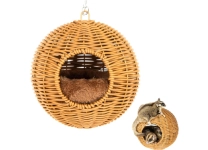
A comfortable habitat gives small animals room to rest, move, hide, and express natural behaviors. Supplies vary by species: rabbits and guinea pigs need spacious enclosures with solid flooring, while hamsters, gerbils, mice, and rats benefit from secure habitats with suitable floor space and ventilation. Choose an enclosure that is easy to clean and has doors that allow safe access without creating escape gaps. Add a hideaway, food dish, water bottle or bowl, and species-appropriate bedding before introducing your pet. Check bar spacing, materials, and enclosure dimensions against the animal's size and needs. Ubuy offers a place to discover international small animal supplies, including habitat accessories and everyday essentials. A thoughtful setup can make feeding, cleaning, and routine interaction more manageable.
- Match enclosure design and size to the species
- Look for secure access and easy-clean surfaces
- Add a hideaway, feeder, and appropriate water source
Small Animal Food, Hay, and Feeding Accessories
A suitable feeding routine starts with food formulated for the animal's species and life stage. Rabbits and guinea pigs generally need constant access to appropriate hay, while pellets and fresh foods should be selected according to veterinary guidance and the animal's individual needs. Small herbivores, omnivores, and rodents have different dietary requirements, so avoid assuming one food suits every pet. Compare ingredient lists, pellet sizes, packaging, and storage instructions when choosing feed. Hay racks, ceramic bowls, portioning scoops, and water bottles can help keep feeding areas organized; check that accessories are stable, easy to clean, and comfortable for the animal to use. Brands such as Oxbow and Kaytee offer products associated with small animal feeding, but product suitability should always be checked for the intended species.
- Choose species-specific food and feeding guidance
- Compare ingredients, pellet form, and storage needs
- Use stable bowls or suitable hay dispensers
Bedding, Litter, and Habitat Cleaning Supplies
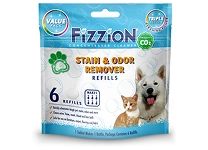
Bedding affects comfort, cleanliness, and the day-to-day upkeep of a small animal's home. Paper-based bedding, aspen shavings, and other purpose-made substrates may suit different habitats, but check product labeling and species guidance before use. Avoid strongly scented materials and substrates that create excessive dust, as these can be unsuitable for sensitive animals. Rabbits and some other pets may also use a litter tray with a pet-appropriate litter; never assume cat litter or a similar product is safe for small animals. A litter scoop, habitat-safe cleaning tools, and storage containers help support a consistent cleaning routine. Remove soiled areas regularly and follow appropriate cleaning instructions for the enclosure and accessories. Selecting bedding based on absorbency, texture, and ease of maintenance helps keep the habitat more comfortable and practical.
- Compare substrate type, texture, and dust levels
- Use litter products intended for the animal
- Keep cleaning tools separate and easy to reach
Enrichment, Exercise, and Travel Accessories
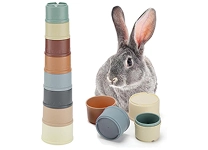
Enrichment supplies encourage movement, exploration, and natural behaviors such as chewing, tunneling, climbing, or foraging. Suitable choices depend on the species: tunnels and hideouts can offer secure routes, while chew toys made from appropriate materials may help satisfy gnawing instincts. Exercise wheels must be correctly sized and designed for the animal using them; some species should not use wheels at all. Rotate toys and inspect them for loose parts, sharp edges, or damage. For supervised outings or veterinary visits, a well-ventilated carrier with a secure latch can provide a safer way to transport a pet. Playpens and exercise areas should also be escape-resistant and free of household hazards. Vitakraft and Kaytee are familiar names in small animal accessories, but check each product's intended species and use before purchase.
- Choose enrichment suited to species-specific behavior
- Inspect toys and exercise equipment regularly
- Use a secure, ventilated carrier for transport
Grooming, Handling, and Everyday Care Products
Routine care supplies can make gentle handling and basic maintenance easier, although needs differ among rabbits, guinea pigs, hamsters, gerbils, mice, and rats. A soft brush or comb may help with coat care, especially for long-haired animals, while nail clippers should be used carefully and only when appropriate. Small animal grooming products should be designed for pets; avoid using human shampoos or treatments unless a veterinarian advises otherwise. Keep a carrier, clean towel, and species-appropriate grooming tools available for calm, controlled care. Health-related products such as supplements or topical treatments require particular care: check ingredients and intended use, and consult a veterinarian before introducing them. Ubuy can help shoppers explore international small animal supplies across everyday care needs, but product labels and professional guidance remain important when selecting health-related items.
- Select grooming tools for coat type and species
- Use pet-specific products and follow label directions
- Ask a veterinarian before using treatments or supplements
Select the Right small animal supplies
Start with the species, age, size, and living environment of your pet, then build a list of essentials before comparing individual products. Prioritize a suitable habitat, species-specific food, safe bedding, clean water access, and enrichment; add grooming or travel accessories according to your routine. Check dimensions, materials, care instructions, and compatibility with the enclosure, especially for feeders, bottles, litter trays, and replacement parts. Consider how often each item needs cleaning and whether it can be inspected for wear. Product descriptions should clearly identify intended animals and use, while package labels can help clarify ingredients or materials. Ubuy provides a platform for discovering international small animal products and comparing different types of supplies. Choose thoughtfully, introduce changes gradually where appropriate, and seek veterinary advice when a product may affect your pet's health or diet.
- Make species and habitat the starting point
- Check sizing, materials, care, and compatibility
- Prioritize safe essentials before optional accessories