Sculpture Materials for Different Projects
Choose a sculpting medium based on the finished form, desired detail, and working time. Oil-based and polymer clays suit small models and hand-built studies; Sculpey and FIMO are familiar options for polymer clay projects. Water-based clay is pliable for shaping and can be fired when paired with compatible kiln access and firing guidance. Carving materials such as wood, stone, and plaster call for appropriate blocks, abrasives, and cutting tools, while wax is useful for modeling forms intended for casting. Armature wire, foil, and modeling supports help build an internal structure for larger or projecting shapes. Compare pack size, firmness, drying or curing method, and compatibility with paints or finishes before buying. Selecting materials around the project scale and final use helps avoid unwanted cracking, excess weight, or surface changes.
- Compare clay, wax, wood, stone, and plaster by use
- Check drying, curing, or firing requirements
- Use armatures to support larger forms
Sculpting Tools for Shaping and Detail
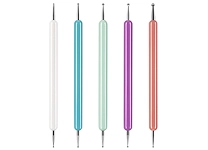
A well-matched tool set helps control the transition from rough form to fine detail. Modeling tools with wooden or metal handles, loop tools, ribs, and wire cutters are useful for shaping clay and trimming excess material. For carving, consider chisels, gouges, rasps, files, and abrasives suited to the material's hardness; tool profiles influence the lines and textures you can produce. Kemper tools are associated with ceramic and clay work, while Xiem offers tools used by sculptors and potters. Check blade shape, handle comfort, edge condition, and whether replacement parts are available. A turntable or sculpting stand can improve access without repeatedly handling a piece. Ubuy can help shoppers discover international sculpture tools and accessories; review product descriptions carefully to confirm intended materials and dimensions.
- Match tool profiles to the material
- Consider grip, balance, and edge type
- Use a turntable for easier access
Molding, Casting, and Surface Finishing Supplies
Molding and casting supplies let artists reproduce a sculpted original or create multiples from a prepared form. Silicone rubber is commonly selected for flexible molds, while plaster can serve for mold making, supports, or casting depending on the technique. Alginate is used for certain short-term impression projects, and casting resins require careful attention to the manufacturer's mixing and handling instructions. Smooth-On is a recognized name in mold-making and casting materials. Include suitable mixing cups, stir sticks, release agents, measuring tools, and containers when planning a casting workflow. After demolding, files, sanding pads, scrapers, primers, and compatible paints can refine the surface. Check cure time, working time, mold compatibility, and ventilation or protective equipment needs before choosing a system, since materials and processes differ.
- Check mold and casting material compatibility
- Plan for mixing, release, and cleanup supplies
- Follow handling and ventilation instructions
Armatures, Work Surfaces, and Studio Equipment
Studio equipment supports stable, comfortable work from the first armature to the final surface treatment. Wire, rods, bases, and sculpting stands can anchor a form, while turntables make it easier to inspect different sides. Choose an armature that suits the medium and finished object's weight, and make sure its structure will not interfere with carving, drying, or firing. A sturdy work surface, storage trays, and reusable boards help organize tools and keep materials separate. For ceramic work, confirm whether the project needs air drying or a kiln, and check that clay and glazes are intended for the same firing conditions. Keep water containers, brushes, protective gloves, dust control, and cleanup materials close at hand. A thoughtful setup can reduce handling and make detailed work easier to manage.
- Match support structures to scale and medium
- Check kiln and firing needs for ceramics
- Organize surfaces, tools, and cleanup supplies
Choose Sculpture Supplies by Skill and Technique
Start a buying list with the sculpture method, project dimensions, and experience level in mind. Beginners often benefit from a manageable selection of clay, a basic tool set, a work board, and clear guidance on drying or curing. More advanced projects may call for specialized carving tools, armatures, mold materials, casting compounds, or finishing products. Compare material quantities with the intended scale, and look for product details such as hardness, flexibility, set time, package contents, and recommended use. Check whether tools are suited to left- or right-handed handling when that matters, and whether consumables can be replenished. Ubuy offers a place to discover international sculpture supplies across different techniques and product types. Read descriptions for compatibility and handling requirements before adding products to a project plan.
- Build a list around the technique and scale
- Compare set times, quantities, and product details
- Check compatibility before combining materials
Select the Right sculpture supplies
The right selection brings materials, tools, and finishing methods together in a workable process. First decide whether the piece will be modeled, carved, molded, or cast; then choose supplies designed for each stage, from the structural support to the final surface. Confirm that clay, armature, mold compound, casting material, and finish can be used together, and note any required drying, curing, or firing conditions. For reusable tools, inspect construction and choose shapes that serve the details you intend to make. Store materials according to their labels, keep cutting edges protected, and clean tools before residue hardens. When comparing options on Ubuy, use the listed specifications to assess fit for your project rather than relying on appearance alone. A focused, compatible kit can make purchasing simpler and support confident work from initial study through completion.
- Plan the full process before purchasing
- Verify material and finish compatibility
- Store supplies and maintain tools carefully