Protein Supplement Types and Formats
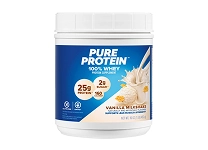
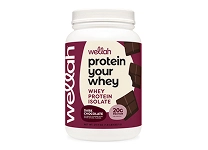
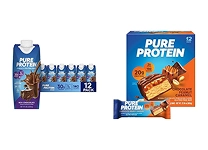
Protein supplements come in several formats to suit different routines, tastes, and dietary preferences. Protein powder is a versatile option for mixing into shakes, smoothies, or recipes, while ready-to-drink shakes offer a portable alternative that requires no preparation. Protein bars and other packaged snacks can make it easier to add protein between meals, but their calories, sweeteners, and added ingredients vary. Within powders, shoppers may find whey concentrate, whey isolate, casein, soy, pea, rice, and blended plant proteins. Clear whey products mix into lighter, juice-style drinks rather than creamy shakes. Each format serves a different convenience or texture preference, so consider when and where you expect to use it. Browsing Ubuy can help shoppers discover international protein supplement products and compare formats in one category.
- Powders, drinks, bars, and snack formats
- Whey, casein, soy, and plant-based options
- Choose around routine, texture, and convenience
Protein Sources, Ingredients, and Dietary Preferences
The protein source influences a supplement's flavor, texture, ingredient profile, and suitability for individual diets. Whey and casein are milk-derived proteins; whey is often chosen for its smooth mixing, while casein products tend to have a thicker texture. People avoiding dairy may prefer soy, pea, rice, or a plant-protein blend. Blends can combine sources to create a fuller amino acid profile, although the ingredients and proportions differ by product. Read the allergen statement for milk, soy, or other potential allergens, and check whether a product is labeled vegan or suitable for a particular dietary pattern. Collagen peptides are also sold as protein products, but they have a different amino acid profile from complete protein sources. Ingredient lists help shoppers distinguish straightforward formulas from products with added flavorings, sweeteners, or extras.
- Check the source and allergen statement
- Compare single-source and blended formulas
- Review added sweeteners and flavorings
Protein Content, Nutrition Labels, and Formula Features
A nutrition label makes it easier to compare protein supplements beyond their front-of-pack claims. Check the serving size alongside grams of protein per serving, since scoop sizes can differ between products. Then review calories, carbohydrates, sugars, fats, and sodium in relation to how you plan to use the product. Ingredient panels may also list enzymes, thickeners, emulsifiers, vitamins, minerals, or added amino acids; their presence and amounts vary. Terms such as concentrate, isolate, and hydrolysate describe different forms of processing, but they do not by themselves establish that a product is the right choice for every shopper. Look at flavor options, sweetener types, and any stated dietary or quality information, and verify details on the product packaging. Ubuy provides a place to explore international products and review their listed product details while comparing options.
- Compare serving size with protein per serving
- Check calories, sugars, and other nutrients
- Read ingredients and product information
Choosing Protein for Training and Everyday Routines
Protein supplements can fit into different routines, from adding a convenient shake after exercise to complementing meals on busy days. The best format depends on personal preference, dietary needs, and how a product fits into an overall eating pattern; supplements are not a substitute for varied meals. Whey powders are commonly mixed with water or milk, while plant-based powders can be used in smoothies, oatmeal, or baking. Casein is often selected for its thicker consistency, and ready-to-drink shakes can suit travel or work breaks when refrigeration and storage directions permit. Athletes and active shoppers may compare serving size, portability, and ingredient information, while casual users may prioritize taste and ease of preparation. Follow the package directions and consider advice from a qualified health professional when managing a medical condition, pregnancy, allergies, or a specialized nutrition plan.
- Match the format to your daily routine
- Consider taste, portability, and preparation
- Use supplements alongside varied meals
Mixing, Storage, and Practical Accessories
A good mixing method can improve the experience of using protein powder. A shaker bottle with a mixing insert or whisk ball is convenient for single servings, while a blender can help combine powder with fruit, ice, or other ingredients. Follow the label's recommended serving and liquid amounts, and add powder gradually if clumping is a concern. Some formulas dissolve more easily than others, so texture can depend on the protein source, liquid temperature, and mixing equipment. Keep tubs and sachets sealed and stored as directed on the package, using a clean, dry scoop to help protect the contents. Check the product's stated use-by guidance and avoid using it if packaging is damaged or the contents appear unusual. Bars and ready-to-drink products also have their own storage instructions, making label checks useful when stocking a pantry or preparing a gym bag.
- Use a shaker or blender for convenient mixing
- Keep powder sealed and handle it with dry utensils
- Follow package storage and use instructions
Select the Right protein supplements
To choose protein supplements confidently, start with your preferred protein source and any dietary restrictions, then compare format, flavor, and serving information. Decide whether powder, a ready-to-drink shake, or a bar best suits your routine. Check the amount of protein per serving alongside calories, sugars, and other ingredients rather than relying on a single front-label claim. Consider whether you want an unflavored product for recipes, a flavored powder for shakes, or a plant-based blend; sample sizes and packaging options may differ by product. Compare the full ingredient and allergen details, and confirm that the product's preparation and storage directions work for your needs. Shoppers can use Ubuy to discover international protein supplements and compare listed product details. A thoughtful comparison helps narrow the category to options that fit personal preferences and everyday use.
- Start with dietary needs and protein source
- Compare format, nutrition, and ingredients
- Confirm preparation and storage directions