Pottery Clay Types and Preparation Supplies
Pottery clay is the foundation of a project, and the right clay body depends on how you plan to shape and fire it. Earthenware is commonly chosen for accessible handbuilding and colorful finishes, while stoneware is valued for durable functional pieces. Porcelain offers a smooth, refined body that can require more careful handling. Compare firing range, texture, plasticity, and shrinkage, and confirm that the clay suits your kiln and intended glaze. Preparation supplies include wedging boards, canvas, wire clay cutters, ribs, and tools for removing air pockets and achieving an even consistency. Beginners may prefer a manageable clay body with clear firing guidance; experienced potters may select specialized blends for throwing, sculpting, or intricate forms. Ubuy helps shoppers discover pottery supplies from international product selections.
- Choose clay by firing range and technique
- Compare earthenware, stoneware, and porcelain
- Prepare clay with wedging and cutting tools
Pottery Shaping Tools for Handbuilding and Wheel Throwing
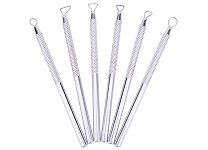
Shaping tools support different approaches to forming clay. Handbuilding supplies include wooden modeling tools, metal ribs, loop tools, needles, fettling knives, sponges, and rolling pins for slabs, coils, and sculpted forms. Texture mats, stamps, and carving tools add patterns or details. For wheel throwing, a pottery wheel provides rotation, while bats, trimming tools, and throwing ribs help form, refine, and release pieces. Wheel choice can involve wheelhead size, speed control, portability, and available workspace; check that bats and accessories fit the model. A sturdy work surface and water container also make sessions easier to manage. Tool materials affect feel and upkeep: wood may need drying after use, while metal and plastic tools are generally simple to wipe clean. Select a practical starter set or add individual tools as techniques develop.
- Match tools to handbuilding or throwing
- Check wheel and bat compatibility
- Add ribs, carving tools, and texture makers
Pottery Kilns, Firing Accessories, and Temperature Control
A kiln transforms dried clay into ceramic through controlled firing, so capacity, power requirements, temperature range, and installation needs matter when choosing equipment. Electric kilns are common in studios and come in sizes suited to different workloads; other firing approaches may use gas or specialized equipment. Always follow the kiln maker's operating and ventilation guidance, and confirm that the kiln can reach the firing range required by your clay and glaze. Essential accessories include kiln shelves, posts, stilts, pyrometric cones, and protective kiln wash. Cones provide a useful indication of heatwork rather than relying only on a displayed temperature. Shelves and posts need to suit the chamber and firing setup, while kiln wash helps protect shelves from glaze drips. Keep a firing log to track schedules, loads, and results, and inspect equipment according to its care instructions.
- Compare capacity, power, and firing range
- Use cones to assess heatwork
- Pair shelves and posts with the kiln
Pottery Glazes, Underglazes, and Surface Finishing
Glazes and other ceramic colorants create a finished surface, from glossy and glass-like to satin or textured. Glaze products may be supplied as liquid, dry mix, or brushing formulas, while underglazes and slips support decoration at different stages of a project. Check the product's firing range and compatibility with the clay body, kiln atmosphere, and any layered finishes. A test tile is a practical way to evaluate color, coverage, and interaction before glazing a larger piece. Application supplies include brushes, sieves, tongs, wax resist, and containers for mixing or dipping. Consistent glaze thickness and clean foot rings help reduce common firing problems, though results can vary with materials and firing conditions. Store products as directed, label mixed batches, and follow handling guidance. Potters should consult product instructions and applicable studio safety practices when preparing and applying materials.
- Match glaze range to clay and firing
- Test color and layering on sample tiles
- Use brushes, sieves, and wax resist
Pottery Studio Essentials, Storage, and Maintenance
A well-organized pottery workspace needs more than clay and shaping tools. Useful studio supplies include canvas-covered work surfaces, bats, buckets, clay storage bags, shelving, drying boards, aprons, and cleanup tools. A banding wheel can help with decorating and glazing, while a ware board supports moving work without unnecessary handling. Keep wet and dry materials organized, label containers, and store clay to limit unwanted drying. Clean tools and work areas after use, following product guidance and studio procedures for managing clay residue. For shared or compact spaces, consider how easily equipment can be stored, transported, and cleaned. Replacement parts and compatible accessories can extend the usefulness of wheels and other equipment, so check model details before purchasing. Ubuy offers a place to explore pottery supplies and studio accessories from international product selections, making it easier to compare product types and specifications.
- Organize clay, tools, and finished work
- Check replacement-part compatibility
- Clean and store supplies as directed
Select the Right pottery supplies
Build a pottery supply list around your technique, experience, workspace, and planned projects. A beginner exploring handbuilding may start with a suitable clay body, a small collection of basic modeling tools, a work surface, and access to a compatible firing option. Wheel throwers may prioritize a wheel, bats, ribs, trimming tools, and dependable clay storage. Compare dimensions, materials, firing ranges, care requirements, and compatibility across clay, glaze, kiln, and accessories before purchasing. If studio access is shared, confirm which equipment and consumables are already provided. For larger or more specialized purchases, review manufacturer specifications and consider how the item fits your process rather than choosing by feature count alone. Ubuy can help shoppers explore pottery supplies across product types and compare details for their needs. A considered selection supports confident making while leaving room to expand as skills and projects evolve.
- Start with technique and workspace needs
- Verify specifications and compatibility
- Expand supplies as projects develop