Explore Omega-3 Supplement Types and Benefits
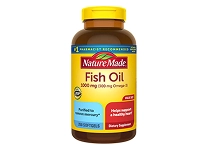
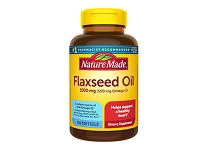
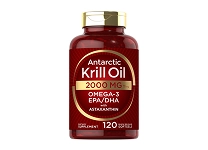
Omega-3 supplements are available in formats designed to suit different preferences, diets, and routines. Fish oil is a common source of EPA and DHA, long-chain omega-3 fatty acids found in oily fish. Algal oil provides DHA, and sometimes EPA, from algae, making it a plant-based option. Flaxseed, chia, and other plant oils supply ALA, a different omega-3 that the body converts to EPA and DHA only in limited amounts. People often compare products for general nutritional support or to complement dietary intake, but supplements are not a substitute for a balanced diet or medical care. Capsules are convenient for measured servings, while liquid oils can suit shoppers who prefer adjustable portions. Understanding the source and type of omega-3 helps narrow the choices.
- Compare EPA, DHA, and ALA sources
- Choose capsules or liquid oil
- Consider dietary preferences
Compare Fish Oil, Algal Oil, and Plant-Based Options
Fish oil products may use oils from anchovy, sardine, mackerel, or other marine sources, while cod liver oil also contains vitamins A and D. Check those added nutrients when comparing products, especially if you already take supplements containing them. Algal oil is made from cultivated algae and is a fish-free source of omega-3; the amount and balance of DHA and EPA vary by formula. Flaxseed and chia oils offer ALA and may appeal to shoppers seeking plant-derived ingredients, though they are not equivalent gram for gram to EPA and DHA. Look at the source, serving size, and listed fatty acids rather than relying on the front-label total oil amount. Ubuy can help shoppers discover international omega-3 supplement products and compare their formats and ingredient lists.
- Check the oil source and fatty acids
- Distinguish cod liver oil from fish oil
- Compare plant-derived alternatives
Read EPA, DHA, and Supplement Labels
A useful comparison starts with the Supplement Facts or equivalent nutrition panel. The total amount of fish oil in a capsule is not necessarily the amount of omega-3 fatty acids it provides; look for separate EPA and DHA figures per serving. If a label lists only a proprietary blend or total oil, it may be harder to compare concentrations. Note the serving size, number of capsules, suggested use, other ingredients, and any allergen information. Some products include added flavor, antioxidants such as vitamin E, or a different oil form, so review the full ingredient list. Terms such as triglyceride, re-esterified triglyceride, and ethyl ester describe forms of fish oil, but do not by themselves establish that one product is right for everyone. Compare the actual label details with your preferences and needs.
- Check EPA and DHA amounts per serving
- Review serving size and full ingredients
- Compare oil forms carefully
Assess Quality, Freshness, and Product Details
Quality considerations include clear ingredient disclosure, appropriate packaging, and information about how a product is made or tested. Where available, review manufacturer statements about identity, purity, and oxidation testing, and look for documentation from a recognized independent testing program rather than assuming a label claim guarantees a particular result. Fish oil can develop an unpleasant odor or taste as it oxidizes; follow storage directions and avoid products with damaged seals or an unexpected rancid smell. Dark bottles and sealed containers may help protect oils from light and air, while refrigeration may be recommended for some liquid products after opening. Compare expiration or best-before dates and serving instructions before purchasing. On Ubuy, shoppers can explore product listings and ingredient details to assess whether an international option fits their preferences; verify the packaging and label information when evaluating any supplement.
- Review testing and ingredient disclosures
- Check seals and freshness information
- Follow product storage directions
Choose a Format and Build a Practical Routine
Softgel capsules are portable and portioned, but capsule size, coating, and flavor can affect ease of use. Liquid omega-3 oils allow flexible serving sizes and may come in flavored varieties; use the included measuring device and follow the label after opening. Chewables or gummies can be easier for some people to take, though their serving size, sweeteners, and EPA or DHA content deserve a close look. Take supplements only as directed on the product label, and store them according to its instructions, away from excess heat and moisture. If you have a fish or shellfish allergy, check ingredients and consult a qualified healthcare professional before selecting an oil. People who are pregnant, taking medicines, or managing a health condition should also seek professional guidance before adding a supplement to their routine.
- Match the format to your routine
- Check flavorings and serving directions
- Ask a clinician about personal concerns
Select the Right omega 3 supplements
Start by deciding whether you want EPA and DHA from fish or algae, or ALA from a plant oil, then compare the amount of each fatty acid per serving. Consider dietary restrictions, allergies, capsule size, flavor, and whether you prefer a softgel, liquid, or chewable. Review the complete label for additional ingredients, serving guidance, and storage needs, and compare products using the same serving basis. Established names such as Nordic Naturals, Nature Made, and NOW Foods appear in the broader supplement market, but product formulas differ; assess each label rather than choosing by brand alone. If you are seeking a specific intake or have questions about interactions, ask a healthcare professional for individualized advice. Ubuy offers a place to discover omega-3 supplement options from international product listings; compare available details to find a product format and formula that align with your preferences.
- Prioritize the omega-3 type you want
- Compare products on serving-level amounts
- Choose based on label and lifestyle