Martial Arts Equipment for Training and Competition
Martial arts equipment covers the training gear used for striking, grappling, forms practice, and competition. Core categories include gloves, hand wraps, shin guards, headgear, mouthguards, uniforms, belts, and focus pads. Boxing and kickboxing emphasize hand and foot protection, while Brazilian jiu-jitsu and judo rely on durable gis or no-gi rash guards and grappling shorts. Karate, taekwondo, and kung fu practitioners may choose discipline-specific uniforms and target equipment for technique drills. Training spaces also use freestanding or hanging bags, pads, and mats, depending on the session and available room. The right setup depends on skill level, training frequency, discipline, and coach guidance rather than buying every item at once. Ubuy can help shoppers discover international martial arts products and compare options across gear types when building a focused kit for home or club use.
- Gear varies by martial art and training format
- Build a kit around regular activities
- Consider both home and club practice
Protective Gear: Gloves, Guards, and Headgear
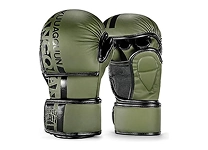
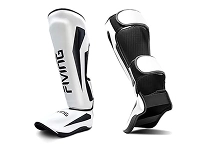
Protective gear helps cover vulnerable areas during partner drills, sparring, and bag work. Boxing gloves are commonly selected by weight and intended use, while open-palm MMA gloves allow greater finger movement for grappling. Hand wraps support the hands inside gloves; shin and instep guards cushion contact during kick training. Headgear designs vary in coverage and visibility, and a mouthguard should fit securely without making breathing or speaking uncomfortable. Chest protectors, groin guards, and forearm guards may also be relevant depending on the discipline and training rules. Check sizing guidance, closure style, padding distribution, and whether a piece is intended for sparring or solo practice. Protective equipment should fit without slipping or restricting movement, and it should be replaced when padding, seams, or fasteners show significant wear.
- Match protection to the activity
- Check fit, coverage, and closure
- Inspect gear for wear regularly
Uniforms, Belts, and Training Accessories
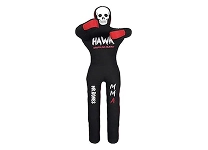
Uniforms and accessories support movement, technique practice, and discipline-specific routines. A gi typically includes a jacket, trousers, and belt, with fabric weight and reinforcement affecting feel and durability; a no-gi kit may instead pair a rash guard with grappling shorts or leggings. Karate and taekwondo uniforms are often chosen for their cut and freedom of movement, while belt color and requirements follow the school or organization's guidance. Useful accessories include kick shields, focus mitts, kicking targets, skipping ropes, and equipment bags. Brands such as Adidas, Venum, and Hayabusa offer products across several combat-sport categories, though the best option depends on fit, intended use, and personal preference. Before choosing a uniform, confirm the required style and sizing approach with an instructor, especially when preparing for organized practice or competition.
- Compare gi and no-gi clothing
- Confirm uniform requirements with an instructor
- Choose accessories for specific drills
Materials, Construction, and Fit
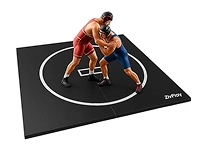
Materials and construction influence comfort, flexibility, and how equipment handles repeated training. Uniforms may use cotton or blended fabrics, while gloves and guards commonly combine synthetic outer materials with layered foam padding. Stitching, reinforced stress points, lining, ventilation panels, and adjustable straps are useful details to inspect. For mats, surface texture, thickness, density, and interlocking or roll-out construction affect grip and floor coverage. A close fit matters, but gear should not pinch, restrict circulation, or prevent natural movement. Check size charts and measure according to the seller's instructions, since sizing can differ by product and brand. Fairtex is associated with combat-sport gear, but brand familiarity alone does not determine fit or suitability. Ubuy offers a way to explore international product options; review item specifications carefully to compare materials, dimensions, and intended training use.
- Inspect padding, seams, and closures
- Balance secure fit with free movement
- Compare dimensions and material details
Compatibility, Care, and Equipment Maintenance
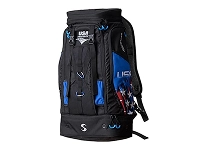
Compatibility matters when assembling a complete training setup. Gloves should work with hand wraps and the intended striking activity, while guards need to stay in place alongside the clothing worn during drills. Bag stands, anchors, and hanging hardware must suit the bag design and the training space; mats should cover the practice area without creating unstable edges. Follow care labels and product instructions, since cleaning methods vary by material. Air out gloves, guards, and uniforms after use, wipe down surfaces as directed, and store equipment dry rather than compressed or damp. Regularly inspect straps, seams, padding, and fasteners for damage. Replace worn or poorly fitting protective gear instead of relying on it for continued sparring. A simple equipment bag can keep training items organized and separate from everyday belongings between sessions.
- Check that gear works together
- Follow product-specific care instructions
- Store clean equipment in a dry place
Select the Right martial arts equipments
Choose martial arts equipment by starting with the discipline, training setting, and activities you expect to practice most often. A beginner taking technique classes may need a uniform, wraps, and basic protective pieces, while regular sparring or bag work can call for additional gloves, guards, and training targets. Ask an instructor about required styles, approved gear, and sizing before purchasing items tied to class rules. Compare fit, materials, construction, ease of cleaning, and intended use rather than choosing by appearance alone. Set priorities based on essentials and add accessories as your training develops. Ubuy can be used to discover international options from brands such as Venum or Hayabusa and review product details in one shopping journey. Keep comfort and safe movement central, and replace items that no longer fit or show meaningful damage.
- Start with your discipline and training needs
- Check class requirements and sizing
- Prioritize fit, function, and condition