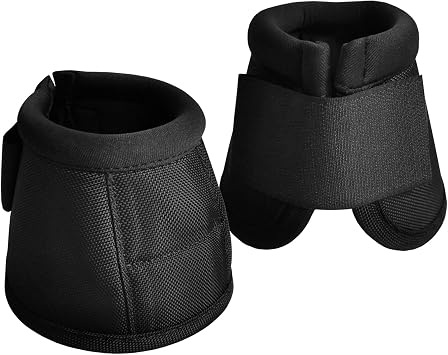
Horse Boots and Wraps for Equine Leg Protection
Horse boots and wraps are protective or supportive coverings used on a horse's lower legs during exercise, turnout, travel, or recovery routines. Depending on their design, they may help limit knocks and scrapes, shield the hoof from interference, or provide a smooth layer beneath a bandage. Common options include brushing boots, tendon and fetlock boots, overreach boots, polo wraps, and stable bandages. These products are not interchangeable: a rigid protective shell serves a different purpose from a flexible fleece-lined wrap, and neither replaces attentive handling or veterinary care. Riders, trainers, and horse owners can compare intended use, construction, and fit before choosing. When exploring international equestrian products, Ubuy can help shoppers discover a range of horse boots and wraps to consider for their horse's routine.
- Protection for different activities and leg areas
- Boots, overreach guards, and soft wraps
- Choose according to use and fit
Types of Horse Boots, Bandages, and Wraps
Brushing boots cover the sides of the lower leg to help protect against brushing or knocks, while tendon boots commonly shield the back of the foreleg and fetlock boots cover the corresponding joint area. Overreach boots sit around the pastern and hoof to help guard against interference from a hind hoof. Polo wraps are soft, flexible bandages often used for schooling, but they require careful, even application. Stable bandages and padded wraps are used in some care routines, following suitable guidance. Cross-country, jumping, and all-purpose boots vary in coverage, fastening, and structure. Browse product descriptions for the intended discipline and leg position rather than relying on a general label. Ubuy offers a way to discover international options across these product types and compare their stated features.
- Brushing, tendon, and fetlock styles
- Overreach boots protect around the hoof
- Polo wraps and stable bandages serve distinct uses
Materials, Fastenings, and Protective Features
Materials influence how horse boots feel, move, and perform during use. Neoprene and other flexible synthetics can provide cushioning and a close fit, while mesh or perforated panels may support airflow. Fleece or soft lining can reduce direct contact with a harder outer shell, and molded shells may add structure over specific areas. Some designs use elastic straps, hook-and-loop closures, or buckle fastenings; secure closures should hold the boot in place without restricting movement or creating pressure points. Reinforced strike zones, shaped contours, and easy-clean surfaces are also useful features to compare. Product terminology varies, so check which leg the boot is designed for and whether the listing describes a pair or an individual item. Consider the horse's activity, coat, sensitivity, and usual conditions when comparing construction.
- Compare lining, shell, and ventilation
- Check closure type and reinforced zones
- Confirm leg position and pack quantity
Fit, Sizing, and Compatibility
A well-fitting boot should sit in its intended position, remain secure during movement, and avoid rubbing, pinching, or restricting the horse's action. Sizing may be listed by horse size, leg measurement, or a brand-specific chart, so use the seller's measurement guidance rather than assuming that labels match across ranges. Check whether the design is for a front or hind leg, and whether it covers the tendon, fetlock, or hoof area needed for your purpose. Anatomical shaping, strap placement, and adjustability can affect compatibility with different leg shapes. If a boot shifts, twists, or leaves pressure marks, reassess the fit and discontinue use until the cause is addressed. When comparing products on Ubuy or elsewhere, review dimensions, intended placement, and closure details before selecting a size for your horse.
- Follow the product's own size chart
- Match boot shape to leg and intended coverage
- Check for movement, rubbing, or pressure
Use, Care, and Everyday Handling
Use horse boots and wraps only for their intended purpose, and follow product instructions alongside advice from a qualified equine professional when needed. Before fitting, make sure the leg and inside of the boot are clean and dry; grit trapped against the skin can cause discomfort. Fasten closures evenly and check that the boot stays correctly positioned during activity. After use, remove dirt, hair, and moisture, then clean the item according to its care label. Allow boots and wraps to dry fully before storage, and inspect stitching, straps, lining, and edges for wear or damage. Replace items that no longer fasten securely or have rough, broken areas. Polo wraps need consistent application, so inexperienced users should seek practical instruction rather than wrapping tightly or unevenly. Regular checks help keep protective equipment comfortable and serviceable.
- Fit boots over clean, dry legs
- Clean and dry according to care instructions
- Inspect straps, seams, and lining regularly
Select the Right horse boots wraps
Start by identifying when and where protection is needed: schooling, jumping, trail riding, turnout, or a stable-care routine may call for different coverage and construction. Decide whether you need a brushing boot, tendon or fetlock protection, an overreach boot, or a soft wrap, then compare fit, materials, fastening, and care requirements. Consider whether the horse's legs are sensitive, whether airflow matters for the activity, and how easily the item can be cleaned. Check the size chart, leg designation, quantity, and any product-specific use guidance before ordering. Recognized equestrian ranges from brands such as LeMieux, Eskadron, Woof Wear, Veredus, and Professional's Choice offer examples of varied designs; compare individual specifications rather than assuming every range suits every horse. Ubuy can help shoppers discover international horse boots and wraps while evaluating product details for an informed choice.
- Choose by activity and protection area
- Compare fit, materials, and maintenance
- Review individual product specifications