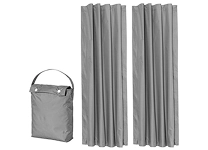
Explore Types of Home Window Treatments
Home window treatments range from simple curtains to structured blinds and shades, each offering a different balance of light control, privacy, and style. Curtain panels and drapes soften a room and can be layered over shades; valances add a decorative finish at the top of a window. Venetian blinds use horizontal slats, while vertical blinds suit wide windows and sliding doors. Roller shades have a clean profile, and Roman shades fold into soft pleats. Cellular shades create air pockets within their fabric, while sheer shades filter daylight without fully blocking the view. Shutters provide a permanent, architectural look. Browse styles, colors, and operating options on Ubuy to compare international home décor products and find treatments suited to different rooms and window shapes.
- Curtains, drapes, and valances add softness and decorative detail
- Blinds and shades offer varied light control and operating styles
- Shutters create a structured, built-in appearance
Compare Light Control, Privacy, and Performance
Start with how much daylight and privacy each space needs. Blackout curtains and room-darkening shades help limit incoming light, making them useful for bedrooms or media rooms, though results depend on fabric opacity and how closely the treatment fits the window. Light-filtering fabrics soften glare while keeping a room bright; sheer curtains provide a lighter visual screen but usually offer limited privacy after dark when interior lights are on. Adjustable slat blinds let you redirect daylight, and top-down/bottom-up shades can balance a view with coverage. Thermal or insulated curtains and cellular shades may help reduce heat transfer around windows, while UV-filtering materials can limit sun exposure on furnishings. Consider noise, screen glare, and daily routines alongside appearance when comparing options.
- Match opacity to daylight and privacy preferences
- Consider thermal and UV-related performance needs
- Check how controls adjust light throughout the day
Choose Materials, Finishes, and Operating Systems
Fabric, construction, and hardware affect both appearance and everyday use. Cotton and linen curtains offer a relaxed, woven look; polyester is commonly chosen for its practical care characteristics, while velvet adds weight and a richer drape. Natural-wood blinds bring visible grain, whereas faux wood can suit rooms where humidity is a consideration; always follow the product's care guidance. Aluminum slats are lightweight and easy to wipe, and woven bamboo shades introduce texture. For shades, compare fabric thickness, lining, edge finish, and roll mechanism. Operating systems include cords, continuous-loop controls, cordless lifts, and motorized options; available controls vary by product. Familiar brands in this category include Hunter Douglas, Levolor, Bali, and IKEA. Check the product specifications for mounting hardware, control placement, and any required power source before choosing.
- Compare fabric, slat, and shade materials by room
- Review lining, finish, and care instructions
- Choose a control system that suits daily use
Measure Windows and Check Mounting Compatibility
Accurate measurements help treatments fit and operate as intended. For an inside mount, check the window opening's width at several points and use the narrowest measurement; measure the height at multiple points as well. Confirm that the frame has enough depth for the selected product and that handles, cranks, or locks will not obstruct movement. An outside mount typically needs added width and height for coverage, but the required overlap depends on the treatment and the desired light gap. Record each window separately, even when they appear alike. Verify whether brackets attach to a frame, wall, or ceiling, and check the included hardware and installation instructions. For bay windows, sliding doors, unusually shaped openings, or motorized systems, confirm product-specific fit and clearance requirements before ordering.
- Measure width and height at multiple points
- Check frame depth, obstructions, and bracket placement
- Confirm fit requirements for specialty windows
Plan Layering, Accessories, and Ongoing Care
Layering can make a window more functional without sacrificing a cohesive look. Pairing a sheer panel with a blackout curtain, for example, allows flexible daytime filtering and nighttime coverage. Curtain rods, tracks, rings, tiebacks, hold-down brackets, and extension pieces can complete an installation or support particular window layouts; check that accessories match the treatment and mounting system. For tall or hard-to-reach windows, consider whether a wand, cordless lift, or compatible motorized control makes operation easier. Care varies by material: some fabrics can be machine-washed, while lined drapes, delicate fibers, wood, and specialty finishes may require spot cleaning or gentle dusting. Follow the manufacturer's care label, avoid harsh cleaners unless approved, and periodically inspect cords, brackets, and moving parts for wear.
- Layer sheers and opaque panels for flexible coverage
- Match rods, tracks, and controls to the treatment
- Follow material-specific cleaning and care instructions
Select the Right home window treatments
Narrow your choices by balancing room function, window dimensions, preferred appearance, and the time you can spend on upkeep. Bedrooms may call for greater light blockage, while living areas often benefit from adjustable daylight and a finish that complements existing furnishings. Kitchens and bathrooms need materials appropriate to their conditions, with product care and moisture guidance checked before purchase. Compare the total system—not just the fabric or slats—including brackets, controls, measurements, and any compatible accessories. If child or pet safety is relevant, review the product's control design and safety information. For a consistent look across several rooms, coordinate colors or finishes while selecting different opacity levels where needed. Ubuy can help you discover international options across curtains, blinds, shades, and related accessories; use product specifications to assess suitability before choosing.
- Prioritize the needs of each room and window
- Compare complete product specifications and accessories
- Coordinate finishes while tailoring light control