Home Mirror Types and Everyday Uses
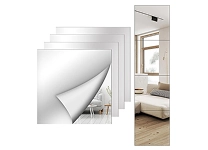
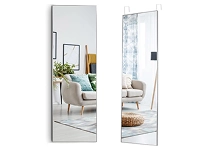
Home mirrors can add function, light, and visual depth to rooms, with the best style depending on where and how you plan to use one. Full-length mirrors make it easier to check an outfit and suit bedrooms, dressing areas, and entryways. Wall mirrors range from compact accent pieces to large designs above a console or mantel, while bathroom mirrors support daily grooming. Tabletop and vanity mirrors are useful for close-up tasks, and leaning mirrors offer a flexible alternative to wall mounting where space allows. Decorative sunburst, arched, and geometric designs can act as focal points, while mirrored cabinet doors combine reflection with storage. When browsing home mirrors on Ubuy, compare each product's intended placement, orientation, and mounting method to narrow your options.
- Full-length, wall, bathroom, and tabletop styles
- Decorative designs can anchor a room
- Choose by placement and intended use
Mirror Shapes, Frames, and Materials
Shape and frame details influence how a mirror looks alongside existing furniture and finishes. Rectangular and square mirrors create clean lines and often work well above vanities, dressers, or consoles. Round and oval styles can soften angular interiors, while arched silhouettes bring a distinctive architectural feel. Frameless mirrors have a minimal appearance; framed options introduce texture or a contrasting finish. Common frame materials include wood, metal, and engineered materials, each with its own weight, surface, and care needs. Look closely at frame depth, finish, and edge treatment, as well as whether the reflective glass has polished or beveled edges. Brands such as IKEA, Umbra, and Howard Elliott offer varied approaches to home mirror design; compare the actual product specifications and styling rather than choosing by brand name alone.
- Match shape to nearby furniture and decor
- Compare frame material, finish, and depth
- Check glass edges and product specifications
Choosing Mirror Size and Placement
A mirror should suit both the wall or surface it occupies and the task it needs to support. Measure the available width and height before shopping, allowing room for surrounding furniture, doors, and wall features. Above a vanity or console, consider how the mirror's width relates to the furniture below it; a mirror that is too small may feel disconnected, while an oversized piece can dominate. For a full-length view, check the listed dimensions and consider the viewing distance and angle in the intended spot. Entryway mirrors can help with last-minute checks, while strategically placed mirrors may reflect a window or lamp and make a room feel brighter. Confirm the product's weight and whether it is designed for horizontal, vertical, or either orientation before installation.
- Measure the wall and furniture first
- Check dimensions for full-length viewing
- Consider light, angle, and orientation
Bathroom Mirrors and Practical Features
Bathroom mirrors are selected for comfortable grooming, clear visibility, and a suitable fit above the basin. Options include simple wall-mounted glass, framed designs, mirrored medicine cabinets, and models with integrated lighting. A cabinet mirror can provide convenient storage for everyday essentials, so check its internal layout, door swing, and overall depth. For illuminated styles, review the light source, controls, color settings, and power requirements stated in the product details. Some mirrors include magnification for close-up grooming; confirm the magnifying area and whether it is a separate panel or a flip-out feature. Also assess the bathroom wall and mounting instructions, particularly for heavier pieces. Keep product care guidance in mind, since frame finishes, electrical components, and mirror surfaces may require different cleaning methods.
- Compare cabinets, lighting, and magnification
- Check power details and mounting instructions
- Match dimensions to the vanity area
Installation, Accessories, and Mirror Care
A secure installation starts with checking the mirror's weight, included hardware, and recommended mounting surface. Some designs use wall hooks or brackets, while others are intended to lean against a wall or sit on a tabletop. Use suitable fixings for the wall material and follow the manufacturer's instructions; seek qualified help if the installation or electrical connection is beyond your experience. Accessories such as mounting kits, vanity lights, stands, or protective pads may be sold separately, so verify what the listing includes before ordering. For routine care, use a soft, lint-free cloth and a cleaner appropriate for mirror glass, avoiding excess moisture around frame joints and electrical parts. Ubuy provides a place to discover home mirrors and related products from international selections; review listing details to understand dimensions, materials, and included components.
- Verify hardware and wall compatibility
- Check whether accessories are included
- Clean glass and frames with suitable materials
Select the Right home mirrors
To choose confidently, start with the room, primary use, and available space, then compare style and practical specifications. For dressing, prioritize a suitable full-length size and a stable placement; for a bathroom, focus on fit, visibility, storage, and any lighting requirements. In living spaces, consider whether the mirror should blend into the decor or serve as a statement piece. Compare frame material, glass dimensions, total product size, weight, orientation, and mounting details across shortlisted options. If you are choosing online, read the product information carefully and check whether the design is wall-mounted, freestanding, or suitable for both. Ubuy can help shoppers explore home mirrors across different styles and configurations. Make the final choice by balancing appearance with everyday usability, installation needs, and care requirements.
- Prioritize room, purpose, and measurements
- Compare materials, weight, and installation
- Balance decorative appeal with daily function