Explore Electronic Keyboard Types and Uses
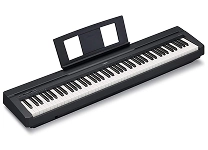
Electronic keyboards span compact instruments for beginners, portable arranger keyboards, performance workstations, and digital pianos designed for a piano-like playing experience. Entry-level models commonly include built-in lessons, simple rhythms, and a range of instrument voices, while arranger keyboards add automatic accompaniment for playing with backing parts. Workstations combine a keyboard with sequencing, sound design, and recording tools for composing or performing. Digital pianos prioritize weighted keys and expressive piano tones, often with fewer built-in sounds. Consider where and how the instrument will be used: a lightweight model suits practice and travel, while a feature-rich keyboard may better support songwriting, lessons, or stage use. Browse electronic keyboard options on Ubuy to compare different instrument styles and configurations in one place.
- Portable, arranger, workstation, and digital piano styles
- Options for lessons, composition, practice, and performance
- Choose features around space and playing goals
Compare Sounds, Keys, and Playing Feel
The sound engine and key action shape how an electronic keyboard responds to a player. Models may offer piano, electric piano, organ, strings, brass, and synthesized tones, with sound quality and editing controls varying by instrument. Touch-sensitive keys respond to playing strength and are useful for shaping dynamics; weighted keys provide resistance closer to an acoustic piano, while unweighted synth-action keys are typically lighter and quicker to play. Key counts also matter: 61 keys can suit learners and portable setups, whereas 76 or 88 keys provide a broader range for piano repertoire. Polyphony describes how many notes can sound at once, especially useful when sustaining notes or layering voices. Try to match the keyboard's range, response, and sound selection to the music you want to play.
- Touch response affects expressive control
- Weighted and synth-action keys feel different
- Key range and polyphony influence repertoire
Check Connectivity, Recording, and Performance Features
Connections and built-in tools determine how an electronic keyboard fits into a learning, recording, or live setup. USB MIDI can connect a keyboard to compatible computers or music software for controlling virtual instruments and capturing note data; some models also support USB audio. MIDI ports, headphone outputs, sustain-pedal inputs, and audio outputs can expand connection options, but check the instrument's specifications and the other device's requirements before buying. Built-in speakers make standalone practice convenient, while headphone support allows quieter sessions. A metronome, lesson functions, split and layer modes, arpeggiators, and onboard recording can support practice and creativity. For stage use, look at controls such as pitch bend, modulation, registration memory, and the ability to switch sounds smoothly. Compare features according to your workflow rather than choosing by feature count alone.
- Review USB, MIDI, audio, and pedal connections
- Built-in speakers and headphones suit different settings
- Recording and performance tools vary by model
Choose Accessories and a Practical Setup
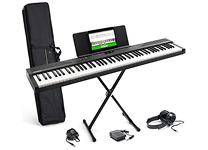
The right accessories make an electronic keyboard more comfortable and useful. A stable keyboard stand supports seated or standing play, and an adjustable bench helps establish a comfortable posture. Sustain pedals range from simple switches to piano-style pedals; confirm the input type and pedal compatibility for the selected instrument. Headphones are useful for focused practice, while an amplifier or powered speaker may be appropriate when built-in speakers are not enough for a room or performance space. A music rest, keyboard cover, carrying case, and power adapter can also be relevant, though included items differ across listings. Check dimensions, instrument weight, power requirements, and whether accessories are sold separately. Ubuy offers a way to discover international electronic keyboard models and related accessories, so review each product's specifications and package details before deciding.
- Match stands, benches, and pedals to the instrument
- Check what accessories are included or sold separately
- Consider power, dimensions, and transport needs
Understand Brands, Care, and Compatibility
Established makers such as Yamaha, Casio, Roland, and Korg offer keyboards across a range of playing styles and feature sets. Compare individual models rather than assuming that instruments from one brand share the same key action, sounds, or connections. Compatibility is especially important when pairing a keyboard with a sustain pedal, headphones, speakers, a computer, or music software; verify connector types and supported functions in the product documentation. Keep the instrument away from spills, excessive dust, and direct heat, and use a suitable cover when it is not being played. Clean the keys gently with a soft, dry cloth, following the manufacturer's care guidance. When comparing options on Ubuy, use model names and specifications to distinguish similar-looking instruments and accessories.
- Compare model specifications across recognized makers
- Verify accessory and software compatibility
- Protect keys and follow care guidance
Select the Right electronic keyboards
Start your selection by identifying the main purpose: piano lessons, casual home playing, songwriting, accompaniment, or live performance. Then set priorities for key count, action, sound selection, portability, and budget. A beginner may value touch-sensitive keys, lesson support, a metronome, and straightforward controls; a pianist may prefer weighted keys and a full range; a producer may focus on MIDI, recording, and sound-editing capabilities. Check the keyboard's dimensions, weight, power setup, speaker configuration, and included accessories to ensure it fits your space and routine. Read specifications carefully, especially for connections and compatibility, and compare products by the features you will actually use. Ubuy can help shoppers explore electronic keyboards from international product selections; consult listing details to make an informed choice that suits your musical goals.
- Prioritize your intended style of playing
- Compare key action, range, and useful features
- Confirm specifications and included items