Explore the Main Types of Dog Toys
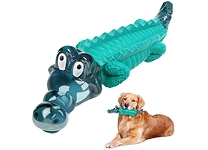
Dog toys support play, exercise, chewing, and mental engagement, with designs suited to different preferences and routines. Balls and fetch toys encourage running and retrieving, while tug toys provide an interactive option for supervised play. Plush toys may appeal to dogs that like carrying or gently mouthing soft objects; some include squeakers or crinkle material for added sensory interest. Chew toys come in varied shapes and textures, and puzzle toys ask dogs to uncover treats or solve simple challenges. Floating toys can suit water-based play when their materials and construction are intended for that use. At Ubuy, shoppers can discover dog toys from international product ranges and compare styles by intended activity. Matching toy type to your dog's habits helps make play more engaging and practical.
- Fetch, tug, plush, chew, and puzzle designs
- Options for active or independent play
- Choose toys around your dog's play habits
Materials, Construction, and Safety Features
Material choice affects how a dog toy feels, functions, and stands up to use. Rubber toys are often selected for flexible chewing or bouncing; fabric and plush toys offer a softer feel, while rope designs provide a textured surface for interactive tugging. Some puzzle toys use molded plastic components to create movable parts or treat compartments. Inspect product details for construction, seams, material guidance, and the manufacturer's intended use. No toy is indestructible, and even a well-made item can wear down under persistent chewing. Check toys regularly for tears, loose parts, sharp edges, or pieces that could be swallowed, and remove damaged items. Supervise play when appropriate, particularly with new toys or strong chewers. Select materials and designs that suit your dog's size, chewing style, and play environment.
- Compare rubber, fabric, rope, and molded components
- Check seams and construction before use
- Replace toys that become damaged
Interactive Toys for Exercise and Enrichment
Interactive dog toys can add variety to daily routines by combining movement, problem-solving, and play with a person. Fetch balls and launch-style toys encourage dogs to chase and retrieve, while tug toys create a shared activity that can be paused or redirected. Treat-dispensing toys and food puzzles invite dogs to nudge, roll, or manipulate an object to access a reward. Snuffle mats use fabric folds or pockets to make scent-based searching part of feeding or play. Start with a level of challenge your dog can manage, then adjust as interest and familiarity change. Keep an eye on frustration, chewing, and toy condition during use. Rotating a few suitable toys can refresh familiar activities, while short, supervised sessions help keep play focused and enjoyable.
- Combine movement with problem-solving
- Treat puzzles encourage scent and food seeking
- Rotate toys to refresh familiar play
Choosing the Right Size and Play Style
A toy should suit your dog's body size, mouth, and typical way of playing. A toy that is too small may be difficult to handle safely, while an oversized or heavy design may be awkward to carry or retrieve. Check the maker's size guidance and consider your dog's age, jaw strength, chewing intensity, and experience with similar toys. Breed can offer a starting point, but individual dogs vary considerably in their preferences and behavior. For multi-dog households, choose toys that fit the dogs who will use them and supervise shared play where needed. Consider the setting too: a lightweight ball may work well in an open area, while a compact puzzle can suit indoor enrichment. Ubuy listings can help shoppers compare product dimensions and intended activities across different toy styles.
- Use product size guidance as a starting point
- Consider jaw strength and chewing intensity
- Match the toy to indoor or outdoor play
Care, Cleaning, and Toy Rotation
Regular care helps keep dog toys more pleasant to handle and makes wear easier to spot. Follow the product's cleaning instructions, since washable plush, rubber, rope, and treat puzzles may require different care. Remove food residue from dispensing toys and allow cleaned items to dry fully before returning them to play. Inspect seams, cords, squeakers, and molded surfaces for damage, and discard toys with loose or broken components. Keep toys in a dry storage area when not in use, and separate clean items from those that need washing. Rotation can maintain interest without requiring every toy to be available at once; group toys by activity, such as fetch, chewing, or food enrichment. Keep an eye on which designs your dog uses safely and enthusiastically, and adjust the collection as play habits change.
- Follow care instructions for each material
- Inspect toys and remove damaged items
- Rotate toys by activity to maintain variety
Select the Right dog toys
To choose dog toys with confidence, begin with the activity you want to support: fetching, tugging, chewing, carrying, or food-based enrichment. Then compare size, material, construction, cleaning needs, and any age or play-style guidance on the product. Durable rubber designs, soft plush toys, rope tug toys, and puzzle feeders each serve different purposes, so consider whether your dog is a gentle player, an enthusiastic chewer, or still learning how a toy works. Recognized options from brands such as KONG, Chuckit!, West Paw, and Nina Ottosson can help shoppers explore distinct play formats, while product details remain important for choosing a suitable item. Ubuy offers a way to discover international dog toy products and compare features. Choose a toy for supervised, appropriate use, and reassess it as your dog's interests and needs evolve.
- Start with the play activity and your dog's habits
- Compare dimensions, materials, and care guidance
- Review product details before choosing