Explore Printmaking Supplies and Processes
Printmaking brings together image-making techniques that transfer ink from a prepared surface onto paper, fabric, or another support. The process you choose determines which printmaking supplies you need. Relief printing, including linocut and woodcut, uses raised areas to carry ink; intaglio methods such as etching and drypoint print from recessed lines. Screen printing pushes ink through open areas of a stencil, while monotype creates a distinctive one-off image from an inked plate. Beginners often start with a small relief-printing kit, carving block, brayer, water-based ink, and suitable paper. More advanced work may involve a press, etching tools, screens, or specialist plates. Understanding the basic process helps you compare equipment, avoid buying incompatible materials, and build a practical collection around the prints you want to make.
- Relief, intaglio, screen printing, and monotype supplies
- Choose materials around your preferred printing method
- Starter kits can simplify a first project
Compare Printmaking Inks, Papers, and Surfaces
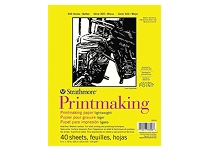
Ink, paper, and the printing surface work as a system, so check that each material suits your technique. Relief inks are formulated for rolling across raised blocks, while screen-printing inks are made to pass through mesh and may be intended for paper or fabric. Water-based inks are often convenient for studio cleanup; oil-based options can offer a different working time and handling feel. Paper choices range from lightweight sheets for practice to printmaking papers designed for absorbency, strength, and repeated pressure. Smooth paper can capture fine lines, whereas textured surfaces create a more pronounced impression. Blocks and plates may include linoleum, wood, rubber, acrylic, or metal, depending on the process. Review product guidance for drying, cleanup, and compatible surfaces before purchasing. Ubuy can help you discover printmaking materials from international product ranges and compare options by intended use.
- Match ink formulation to process and substrate
- Consider paper weight, texture, and absorbency
- Check surface compatibility and cleanup instructions
Essential Printmaking Tools and Equipment
A well-chosen set of printmaking tools supports accuracy, repeatable results, and comfortable work. Brayers distribute ink across blocks or plates, while carving tools shape relief surfaces; interchangeable blades can suit different line widths and cutting styles. Bench hooks help secure a block during carving, and barens or printing spoons apply pressure when a press is not being used. Printmaking presses provide controlled pressure for many relief and intaglio projects, but the required press type depends on plate dimensions and technique. Screen printing calls for a screen, squeegee, stencil materials, and a stable work surface. Registration guides, rulers, and alignment tools help position multiple colors consistently. Aprons, gloves where appropriate, and protective work surfaces can make setup more manageable. Check tool dimensions, replacement-part options, and whether accessories are included before comparing kits or individual equipment.
- Brayers, carving tools, barens, and squeegees
- Presses and registration aids support consistent printing
- Check dimensions, included accessories, and replacement parts
Choose Supplies for Your Printmaking Method
Start with the image, edition size, and working space you have in mind, then select supplies that fit the method. Linocut and woodcut are practical choices for bold shapes and carved line work; compare block hardness, thickness, and carving-tool control. For fine marks and tonal detail, intaglio tools and plates require suitable inks, wiping materials, and often a compatible press. Screen printing is useful for repeatable designs and larger areas of flat color, but mesh count, stencil approach, and ink type affect the result. Monotype suits artists who want spontaneous marks and variations rather than identical impressions. If you are layering colors, consider registration equipment and how each ink dries before the next pass. Ubuy offers a place to explore international printmaking supplies, making it easier to assess different process-specific tools and materials together. A focused starter selection can help avoid excess equipment.
- Relief for carved shapes and expressive lines
- Intaglio for recessed detail; screen printing for repeatable images
- Plan registration and drying for layered colors
Set Up, Maintain, and Store Printmaking Materials
Good studio habits help protect printmaking materials and make each session easier to manage. Work on a stable, level surface with enough room to position blocks, paper, and inking tools without crowding. Follow the manufacturer's directions for ventilation, handling, cleanup, and disposal, particularly when using oil-based inks, solvents, or specialty coatings. Clean brayers, screens, plates, and tools using methods suited to their materials; avoid assuming one cleaner works for every ink or surface. Dry printed sheets flat and keep them separated until fully dry to reduce smudging. Store paper clean and flat, and keep carving blades protected when not in use. Check screens and reusable plates for residue before storage, and inspect tools for wear or damage before a project. Keeping inks, papers, and accessories organized by process also makes it simpler to restock compatible supplies.
- Follow product-specific handling and cleanup guidance
- Keep prints flat and separated while drying
- Store paper, blades, screens, and inks appropriately
Select the Right printmaking supplies
Choose printmaking supplies by balancing your technique, experience, workspace, and preferred finish. For a first project, prioritize a manageable block or plate, a suitable ink, a brayer or application tool, and paper designed for the process. As your skills develop, add specialist carving tools, registration aids, screens, wiping materials, or a press according to the work you make most often. Compare details such as ink base, drying behavior, paper weight, tool dimensions, and surface compatibility rather than relying on broad product labels. Artists may also compare established names such as Speedball, Akua, Cranfield, and Essdee when exploring supplies, while checking each product's specifications for fit. Consider whether consumables can be replenished and whether the set includes useful accessories. A thoughtful selection supports dependable experimentation without filling your studio with materials that do not match your printing method.
- Prioritize method compatibility and intended finish
- Compare specifications, consumables, and included accessories
- Build your collection gradually around actual projects