Etching Supplies for Printmaking and Craft Projects
Etching supplies support several creative processes, from making intaglio prints to decorating glass or preparing metal surfaces. For traditional printmaking, artists commonly use plates, etching grounds, needles, scrapers, inks, paper, and a press. Glass etching projects may instead call for a stencil, resist material, and etching cream, while printed circuit board work uses specialized resists and etchants. These materials are not interchangeable: choose products made for the surface and process you intend to use, and follow their instructions. Beginners often start with a small, compatible set of tools and practice on test pieces before committing to a finished plate or object. Ubuy offers a place to discover international products across these different etching disciplines and compare options for your project.
- Supplies vary by etching method and surface
- Choose materials designed for the intended process
- Test tools and techniques on practice pieces
Plates, Grounds, and Etching Tools
In intaglio etching, the plate is the image-bearing surface, most often made from copper, zinc, or another suitable metal. Plate thickness, size, and surface condition affect handling and the finished impression. Hard ground creates a protective coating that can be drawn through with an etching needle; soft ground can capture textures and transferred marks. Aquatint supplies help produce tonal areas, while scrapers and burnishers refine or reduce marks. For a lower-barrier introduction, some artists use plastic plates with tools designed for that material, though the results differ from metalplate etching. Check that grounds, tools, and plate materials suit one another and the chosen process. Look for clear product instructions, usable dimensions, and replacement components when comparing kits or individual tools.
- Compare copper, zinc, and plastic plate options
- Match grounds and tools to the plate material
- Consider plate size, thickness, and handling
Etching Inks, Paper, and Printing Accessories
Printing supplies influence how etched lines and tonal details appear on the finished work. Intaglio ink is worked into the recessed marks, then excess ink is carefully wiped from the plate surface before printing. A roller or brayer is generally used for relief inking, so it is not a substitute for tools intended for intaglio. Printmaking paper should be suitable for the chosen technique and may need preparation according to its maker's directions. A printing press applies controlled pressure, while blankets help support the paper and plate during an impression. Artists can compare ink consistency, cleanup needs, paper size, and press compatibility before buying. Brands such as Speedball, Akua, and Cranfield are associated with printmaking materials; check each product's intended use and instructions rather than assuming all inks or papers work alike.
- Select ink for intaglio or relief printing
- Check paper dimensions and preparation needs
- Confirm press and blanket compatibility
Glass, Metal, and Other Etching Applications
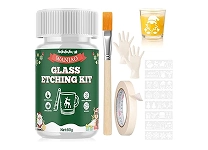
The term etching supplies also covers craft and technical applications that use different materials from fine-art printmaking. Glass etching commonly relies on a designed stencil or resist to mask areas, with an etching product applied only as directed for the glass and project. Metal marking and surface preparation may call for dedicated resist products, tools, or specialist processes. Circuit board etching uses materials intended for board fabrication, not art inks or printmaking grounds. Before selecting a product, identify the substrate, desired mark, project scale, and whether the process is manual or machine-assisted. Read the product label and safety guidance, and avoid substituting chemicals or accessories across applications. This distinction makes it easier to find supplies that suit decorative crafts, studio printmaking, or technical work without confusing their requirements.
- Identify the substrate before choosing supplies
- Use dedicated products for each etching application
- Do not substitute materials across processes
Safety, Setup, and Etching Supply Care
A well-prepared workspace helps protect both the maker and the work. Follow the manufacturer's directions for every tool, ink, ground, resist, and etching product, including any specified ventilation, protective equipment, storage, and disposal steps. Keep process-specific materials labeled and separate, and never mix chemicals unless the product instructions explicitly require it. Use a stable work surface, suitable containers, and protective covering to manage ink or residue. Clean tools using the method recommended for their material, then dry and store plates and accessories to help prevent damage. For chemical processes, consult the product safety information before starting and keep supplies away from children and pets. Ubuy can help shoppers explore international etching products, but suitability and safe handling depend on the specific item and its instructions.
- Read product safety and handling instructions
- Keep materials labeled and properly stored
- Clean and maintain tools as directed
Select the Right etching supplies
Start by deciding what you want to etch and what finished result you need: a printed image, a decorative glass surface, a marked metal object, or a technical component. Then build a compatible supply list around that process. Printmakers should consider plate material and dimensions, ground type, etching tools, ink, paper, and access to a suitable press. Craft users may need a surface-specific resist, stencil tools, and an etching product made for the substrate. Check working size, instructions, cleanup requirements, and whether items are sold individually or as a coordinated kit. Beginners may benefit from basic tools and practice materials, while experienced makers can select specialist accessories for particular effects. Ubuy provides a platform to discover international products; compare specifications carefully so each item fits your technique, workspace, and project needs.
- Choose supplies around the intended result
- Verify compatibility, dimensions, and instructions
- Start with a practical set for your skill level