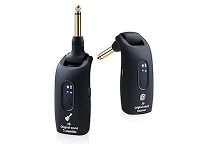
Studio Wireless Microphone System Types and Uses
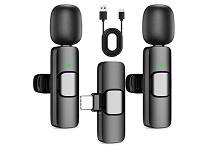
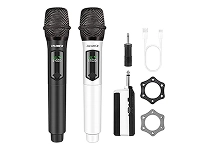
Studio wireless microphone systems transmit audio from a microphone to a receiver without a cable between the performer and recording or sound equipment. They are useful for vocal recording, video production, interviews, livestreaming, presentations, and studio sessions where freedom of movement or a tidy workspace matters. Common configurations include a handheld microphone paired with a receiver, a bodypack transmitter connected to a lavalier or headset microphone, and compact camera-mounted sets for video capture. Single-channel systems serve one speaker or performer, while dual- and multi-channel options can support several microphones at once. The right setup depends on the number of people, recording environment, and destination device. At Ubuy, shoppers can discover international wireless microphone products and compare system formats for different studio and production workflows.
- Handheld, lavalier, headset, and camera-mounted options
- Single- and multi-channel configurations
- For recording, video, streaming, and speech
Wireless Transmission, Frequency, and Range
A wireless microphone system typically contains a transmitter and a receiver that communicate over a radio frequency band. Digital systems convert audio into data before transmission and may offer features such as encryption, signal monitoring, or automated frequency coordination. Analog systems transmit a continuous audio signal and remain common in many established setups. Available bands, channel capacity, and operating range vary by model, so check the manufacturer's specifications and account for obstacles, nearby wireless devices, and other potential sources of interference. Diversity receivers use multiple antennas or reception paths to help maintain a stable connection, while antenna placement can affect performance. Some systems scan for a clearer channel or display signal and battery status. For multi-microphone recording, confirm that the system supports enough simultaneous channels without frequency conflicts.
- Compare digital and analog transmission
- Check frequency band and simultaneous channels
- Consider interference and receiver antenna placement
Microphone Formats and Polar Patterns
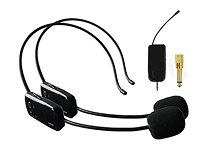
Microphone style affects comfort, placement, and the character of captured sound. Handheld microphones are practical for vocals, voice-over, and interviews, while lavalier microphones clip near the speaker's clothing for hands-free dialogue. Headset microphones keep the capsule close to the mouth, which can help maintain a consistent voice level during movement. A beltpack transmitter commonly connects to lavalier and headset models through a compatible connector; verify connector type and wiring before pairing accessories. Capsule design also matters. Dynamic microphones are often selected for robust vocal handling, while condenser capsules can capture greater detail and may need power supplied by the system. Polar patterns describe sound pickup direction: cardioid and other directional patterns can reduce sound from the sides or rear, while omnidirectional capsules capture sound from multiple directions. Choose for the room and speaker.
- Match format to performer and recording style
- Check capsule type, connector, and wiring
- Choose a polar pattern for the environment
Audio Quality, Controls, and Included Accessories
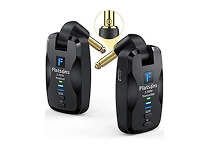
Compare specifications that influence the recorded result, including frequency response, dynamic range, signal-to-noise ratio, latency, and available output level. A receiver may provide balanced XLR, unbalanced 6.35 mm (¼-inch) jack, or 3.5 mm connections; confirm that its output matches the mixer, audio interface, camera, or recorder. Headphone monitoring, mute controls, gain adjustment, and display readouts can make it easier to manage a session. Depending on the kit, included items may feature a microphone capsule, bodypack, receiver, antennas, power supply, charging cable, clip, windscreen, or carrying case. Accessories such as shock mounts, pop filters, spare windscreens, and compatible lavalier microphones can support different recording needs. Review what is supplied rather than assuming cables, batteries, mounts, or adapters are included, and check whether the receiver can be powered by your intended setup.
- Check outputs and audio specifications
- Review controls and monitoring features
- Confirm included cables, power, and accessories
Compatibility, Setup, and System Care
Before buying, confirm that the wireless system works with the equipment and software in your signal chain. Check connector size, balanced or unbalanced output, input sensitivity, and any required adapter for a camera, mixer, audio interface, or computer. USB receivers and digital audio connections may simplify computer recording, but compatibility can depend on the operating system and recording application. Set the transmitter and receiver to the same channel, position antennas as directed, and conduct a sound check at the distance and movement level expected in use. Keep charged batteries or approved rechargeable packs ready, and monitor battery indicators during longer sessions. After use, wipe microphones with a suitable dry cloth, protect capsules from moisture, store components securely, and inspect cables and connectors for wear. Ubuy can help shoppers discover international studio wireless microphone systems and related accessories to assess for their setup.
- Verify device, connector, and software compatibility
- Pair channels and test the complete signal path
- Store components carefully and inspect connections
Select the Right studio wireless microphones systems
Narrow your choice by starting with the recording task: dialogue, singing, interviews, video, or a combination of uses. Decide how many people need to speak or perform at the same time, then choose a matching channel count and microphone format. Compare transmission type, supported frequency options, receiver outputs, battery approach, and the controls you will use most. For a treated studio, sound character and monitoring may take priority; for video or mobile production, compact size, mounting, and camera connectivity may matter more. Check the full kit contents and the compatibility of replacement microphones or transmitters before committing. Established audio names such as Shure, Sennheiser, Audio-Technica, RØDE, and AKG offer products across parts of the wider microphone market, but features differ by model. Ubuy provides a place to explore international product options and compare specifications against your own recording requirements.
- Start with use case and number of performers
- Compare system features against your equipment
- Review model specifications and package contents