Explore Nut and Seed Butter Types
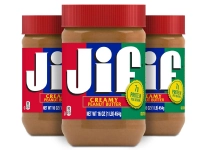
Nut and seed butters bring ground ingredients into smooth spreads, crunchy toppings, and versatile cooking staples. Common choices include peanut, almond, cashew, hazelnut, pistachio, sesame tahini, sunflower seed, pumpkin seed, and mixed nut or seed butter. Each has a distinctive flavor, color, consistency, and use: tahini is often used in sauces and dips, while creamy peanut or almond butter suits toast, smoothies, and baking. Some products contain only ground nuts or seeds; others add salt, sweeteners, oils, cocoa, or flavorings. When browsing nut seed butters on Ubuy, compare product names and ingredient lists to find a style suited to your pantry and recipes. Recognizable examples include SKIPPY and Jif for peanut butter, Justin's for nut butters, and SunButter for sunflower seed butter.
- Nut, seed, and blended varieties
- Smooth, crunchy, and flavored options
- Useful for snacks, sauces, and baking
Compare Ingredients and Processing
Ingredient lists reveal how a nut or seed butter is made and what contributes to its taste and texture. Single-ingredient varieties are typically made from ground nuts or seeds, while other recipes may include salt, sugar, honey, cocoa, or added oils. Roasted ingredients can bring a deeper, more pronounced flavor than raw ones, although the best choice depends on personal preference and intended use. Grinding methods and particle size also affect whether a spread feels silky, rustic, or crunchy. Natural products may separate as oil rises to the surface; stirring can recombine the contents. Check packaging directions before stirring or storing, and look for terms such as roasted, unsweetened, no-stir, or crunchy only when they match your needs. Ubuy can help shoppers discover products from different makers and compare listed product details.
- Check ingredients and added sweeteners
- Choose roasted or raw to suit taste
- Look for texture and storage directions
Nutrition, Allergens, and Dietary Needs
Nut and seed butters vary in nutritional composition according to their main ingredient, recipe, and serving size. Product labels provide the most useful basis for comparison: review serving information, protein, fiber, fat, sodium, and added sugars rather than assuming all spreads are alike. Nuts and seeds are common allergens, and some products are made in facilities that also handle other allergens. Read allergen statements carefully, especially when choosing food for someone with a known sensitivity. If you follow a particular eating pattern, check the full ingredient list for sweeteners, oils, or other additions that matter to you. A sunflower or pumpkin seed spread may offer an alternative ingredient profile to a nut butter, but it is still important to check its label and manufacturing information for your specific requirements.
- Compare nutrition panels per serving
- Read allergen and facility statements
- Check ingredients against dietary needs
Choose Texture, Packaging, and Storage
Texture affects how easily a spread scoops, spreads, blends, or holds its shape in recipes. Smooth butter works well in sauces and drinks, while crunchy varieties add contrast to sandwiches, oatmeal, and snacks. For baking or frequent use, consider the container size and whether its opening makes scooping convenient. Jars are common, while some products may come in squeeze packs or single-serve portions; packaging and formats vary by item. After opening, follow the label's storage instructions, which can differ between products. Some natural butters benefit from thorough stirring, and refrigeration may make a spread firmer, so consider how you plan to use it. Keep utensils clean and dry, close the container securely, and check the package for freshness guidance. These practical details can help maintain quality between uses.
- Match consistency to recipes and routines
- Check container size and format
- Follow package storage instructions
Use Nut and Seed Butters in Everyday Recipes
Nut and seed butters can anchor quick breakfasts, snacks, sauces, and baked goods. Spread them on toast, fruit, or crackers; blend a spoonful into smoothies or porridge; or whisk tahini with water and seasonings for a dressing. Peanut, almond, and cashew butters can add body to cookies, bars, and savory sauces, while sunflower seed butter can be used in recipes calling for a seed-based spread. Flavor and thickness differ, so a direct swap may change a recipe's sweetness, color, or texture. Add liquid gradually when loosening a butter for drizzling, and taste before adding extra salt or sweetener. For shopping inspiration, Ubuy provides a place to explore international nut and seed butter products and compare options for everyday cooking, snacking, and recipe experimentation.
- Spread, blend, whisk, or bake
- Adjust liquids and seasonings to taste
- Consider flavor when substituting
Select the Right nut seed butters
Start with the main ingredient and intended use: choose a familiar nut butter for sandwiches, tahini for dressings, or a seed butter when that ingredient better fits your preference. Next, decide whether you want smooth or crunchy texture, roasted or raw flavor, and a simple or seasoned recipe. Compare ingredient and nutrition labels, allergen statements, jar size, and storage directions before selecting a product. If you are trying an unfamiliar variety, a smaller container can be a practical way to assess its flavor and consistency. For regular cooking, consider whether the butter will blend smoothly into sauces or remain thick enough for spreading. Ubuy is a platform for discovering international products, so review each listing's product information to make a considered choice. Selecting by ingredients, use, and label details helps narrow a broad category to a spread that fits your routine.
- Begin with ingredient and intended use
- Compare texture, labels, and package size
- Review product details before choosing