Home Clocks for Everyday Timekeeping
Home clocks make it easier to check the time at a glance while adding a practical finishing touch to a room. Whether you are furnishing a living room, bedroom, kitchen, office, or entryway, the right clock balances readability with a style that suits its surroundings. Options range from compact bedside alarm clocks to prominent wall clocks and freestanding mantel designs. Consider who will use the clock and where it will be placed: a large, high-contrast dial can help with quick reading across a room, while a quiet movement may be preferable near a bed or workspace. Home clocks are available in traditional, contemporary, minimalist, and decorative designs, with materials and functions to match different routines. Exploring these essentials helps narrow the category to clocks that fit your space and daily habits.
- Clocks for bedrooms, kitchens, offices, and living areas
- Styles ranging from classic to modern
- Readability and placement matter
Types of Home Clocks and Their Uses
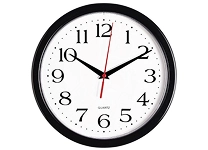
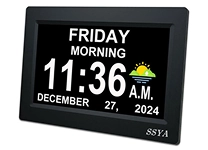
Wall clocks are a popular choice for shared spaces because their faces can be easy to see from across a room. Mantel and desk clocks suit shelves, bedside tables, and work surfaces, while alarm clocks add wake-up functions such as a buzzer, radio, or gradual light. Digital clocks display time in numerals and may include a calendar, indoor temperature, or adjustable brightness. Analog clocks use hands and a dial, with options that include Roman numerals, Arabic numerals, or simple markers. Pendulum and cuckoo clocks bring traditional movement and decorative detail; atomic or radio-controlled models can synchronize time signals where supported. When comparing types, think about the room, viewing distance, desired functions, and whether the clock should be a subtle accessory or a focal point.
- Wall, mantel, desk, and alarm clock formats
- Analog and digital displays
- Specialty options include pendulum and synchronized models
Clock Movements, Displays, and Useful Features
The movement affects how a clock keeps time and sounds in a room. Quartz clocks use a battery-powered mechanism and are common for everyday use; some have a ticking sound, while sweep movements are designed for quieter operation. Mechanical clocks may require winding and more attentive care. Digital models can offer dimmable displays, alarms, snooze controls, calendar readouts, and backup batteries, while some analog alarm clocks include illuminated dials or silent modes. Check the power source, battery type, time format, and control layout before purchasing. For a wall clock, note the dial diameter and hand contrast; for a bedside model, consider display brightness and alarm accessibility. Brands such as Seiko, Bulova, Braun, and Casio offer examples of varied clock styles and functions, though features differ by model.
- Quartz, mechanical, and sweep movements
- Compare alarms, dimming, and display formats
- Check power needs and dial visibility
Materials, Design, and Room Placement
A clock's frame and finish influence both its appearance and how it fits into a room. Wood can lend warmth, while metal, glass, and molded plastics suit a range of contemporary or classic interiors. Look at the dial, hands, numerals, and frame together: strong contrast supports legibility, and a restrained face can complement a minimalist space. Match the clock's scale to the wall or surface, leaving enough surrounding space for a clear visual focus. In kitchens or busy areas, choose a design that is easy to read and maintain; in bedrooms, a quiet movement and adjustable light may be more useful. Check mounting hardware and the clock's hanging method for wall models, and confirm that a mantel or desk clock has a stable base for its intended surface.
- Wood, metal, glass, and plastic finishes
- Match clock scale to its location
- Check mounting or tabletop stability
Power, Setup, Compatibility, and Care
Most home clocks run on replaceable batteries, while some digital alarm clocks use an AC adapter with battery backup to preserve settings during a power interruption. Confirm the required battery size or adapter specifications and whether either is included in the product details. Radio-controlled clocks need suitable signal reception to synchronize automatically; otherwise, they can generally be set manually according to the model's instructions. For setup, place the clock where its display is visible and keep wall-mounted designs secure. Dust frames and glass gently with a soft, dry cloth, and avoid exposing non-water-resistant clocks to moisture or harsh cleaners. Replace batteries when timekeeping becomes unreliable, and follow the manufacturer's care guidance for mechanical or specialty movements. Ubuy can help shoppers discover international home clock products and compare designs, functions, and product specifications.
- Verify battery or adapter requirements
- Check signal support for synchronized clocks
- Dust gently and follow care instructions
Select the Right home clocks
Start by choosing the clock's location and purpose, then compare display type, size, movement, and useful features. For a shared room, prioritize a legible dial or bright digital readout suited to the viewing distance. For a bedroom, consider quiet operation, manageable display lighting, and an alarm if needed. Review dimensions, power requirements, mounting details, materials, and included accessories so the clock works with your furniture and routine. If you are choosing between several designs, weigh practical readability against the decorative effect, rather than relying on appearance alone. Product descriptions can help clarify functions and specifications before you decide. Ubuy offers a place to explore international home clocks, from simple timekeepers to feature-rich alarm and decorative models. A well-matched clock supports daily routines while complementing the character of its room.
- Choose by room, purpose, and viewing distance
- Compare specifications and included accessories
- Balance functionality with room style