Explore Folk and World Wind Instruments
Folk and world wind musical instruments create sound when air moves through a tube, across an edge, or through a reed. Their distinctive voices appear in traditional melodies, dance music, ceremonies, and contemporary arrangements. The category spans familiar options such as tin whistles and recorders, alongside regionally rooted instruments including shakuhachi, duduk, panpipes, ocarinas, and bagpipes. Designs differ in fingering, breath technique, pitch range, and playing tradition, so the right choice depends on both musical goals and experience. Beginners may value a straightforward fingering system, while experienced players may seek a particular tuning or expressive technique. Ubuy provides a platform for discovering international products across instrument styles, helping shoppers explore unfamiliar names and compare different formats before choosing an instrument for practice, performance, or collection.
- Traditional and contemporary wind instruments
- Distinctive timbres and playing styles
- Options for beginners and experienced players
Compare Instrument Types and Playing Methods
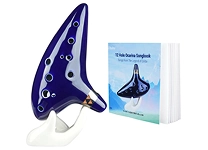
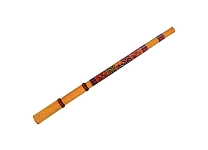
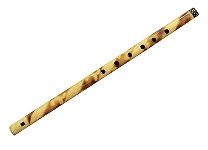
Folk wind instruments are commonly grouped by how they produce sound. A fipple or duct flute, including many tin whistles and recorders, directs breath against an internal edge and is often approachable for new players. End-blown flutes such as shakuhachi and many Native American-style flutes require a different embouchure and offer nuanced breath expression. Reed instruments use a vibrating reed or reed-like mouthpiece; examples include the duduk and various regional oboes. Panpipes contain several pipes of different lengths, while ocarinas use a chamber with finger holes. Bagpipes combine air storage with one or more sounding pipes. These differences affect learning curve, articulation, volume, and repertoire, so comparing playing method is more useful than relying on appearance alone.
- Duct, end-blown, reed, and chamber designs
- Different breath and fingering techniques
- Choose by sound and intended repertoire
Understand Materials, Tuning, and Construction
Material influences an instrument's weight, response, appearance, and care requirements. Folk flutes and whistles may be made from wood, bamboo, metal, ceramic, or durable synthetic material. Wood can offer a warm, individual character but may need careful handling as temperature and humidity change; plastic and other synthetic bodies are often practical for regular learning or travel. Check the stated key, tuning, pitch standard, and intended ensemble use, because instruments that look similar may not play at the same pitch. Construction details such as smooth tone holes, secure joints, a comfortable mouthpiece, and consistent finish can affect usability. For reed instruments, reed design and availability also matter. Ubuy can help shoppers discover instruments from international makers and compare product descriptions, materials, and specifications.
- Wood, bamboo, metal, ceramic, or synthetic bodies
- Check key, tuning, and pitch standard
- Inspect joints, finish, and mouthpiece comfort
Choose Features for Skill Level and Musical Use
Match an instrument's features to where and how it will be played. A simple whistle or recorder can suit first lessons, casual folk sessions, or melody practice, while chromatic fingering, extended range, or specialized ornamentation may support more advanced repertoire. Consider the number and placement of holes, the instrument's reach, and whether finger spacing feels manageable. Players performing with others should confirm the key and tuning expected by the ensemble; solo players may prioritize tone color, portability, or a particular tradition. A clear fingering chart, care guide, or learning resource can make early practice more productive. Before purchase, review dimensions and included components rather than assuming every instrument arrives with a case, mouthpiece, reeds, or accessories. Thoughtful comparisons help narrow choices without overbuying features.
- Consider fingering comfort and range
- Match tuning to ensemble requirements
- Check what accessories are included
Accessories, Care, and Everyday Maintenance
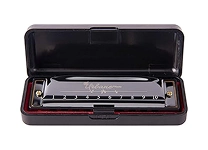
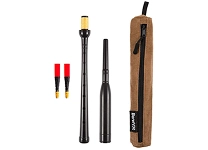
The right accessories can protect an instrument and make practice more convenient. A fitted case or padded pouch helps guard against knocks, while a cleaning rod, swab, or soft cloth can remove moisture after playing. Reeds may require replacement and careful storage; bagpipes can involve additional components such as drones, a chanter, and an air supply system. Use care instructions suited to the instrument's material, and avoid exposing wood or bamboo to abrupt temperature changes or excess moisture. Keep tone holes, joints, and mouthpieces clean, and store the instrument dry and safely supported. Brands such as Clarke and Generation are associated with tin whistles, while Hohner is known for harmonicas; compare the specific model and its intended use rather than assuming all products share the same features.
- Protect instruments with suitable storage
- Clean and dry after playing
- Check reed and component requirements
Select the Right folk world wind musical instruments
Start with the sound and tradition you want to explore, then narrow choices by playing method, tuning, material, and budget. A first-time player may prefer an accessible whistle or recorder with clear fingering guidance; a musician seeking a particular regional style may need a specialist flute, reed instrument, or bagpipe setup. Confirm the instrument's key, pitch, dimensions, and included accessories, especially when comparing unfamiliar product names. Read care details and consider whether replacement reeds or compatible parts will be needed. Yamaha recorders, Clarke whistles, and other established makers offer useful points of comparison across different instrument families, though model specifications still matter. On Ubuy, shoppers can discover international folk and world wind instruments and review product details to identify options that fit their musical interests and practical needs.
- Begin with sound, tradition, and skill level
- Verify specifications and included parts
- Compare models before making a choice