Face Cleanser Types and Everyday Uses
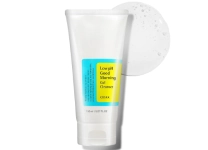
Face cleansers help remove surface oil, perspiration, makeup, sunscreen, and everyday residue as part of a regular skincare routine. The category includes foaming washes, gentle cream cleansers, gel formulas, cleansing oils, balms, micellar waters, and exfoliating cleansers. Each format offers a different texture and cleansing feel: foams and gels are often chosen for a fresh rinse, while creams, oils, and balms can suit routines that favor a richer application. Micellar water is commonly used with a cotton pad or as a first step before rinsing. A cleanser is not the same as a toner, serum, or moisturizer, and it should match the rest of a routine rather than replace those products. Exploring these options makes it easier to compare face wash and facial cleansing products by texture, intended use, and personal preference.
- Foaming, gel, cream, oil, balm, and micellar formats
- Options for daily cleansing and makeup removal
- Compare texture, rinse feel, and intended use
Choose a Cleanser for Your Skin Type
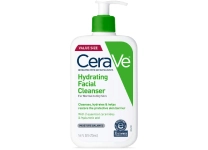
Skin feel after cleansing can help guide product selection. Those who experience excess shine may prefer a lightweight gel or foaming face wash, while skin that feels tight or dry may be more comfortable with a cream cleanser or a formula designed to support moisture. Sensitive-feeling skin may call for a simple, fragrance-free option with a short ingredient list; individual reactions still vary, so check the label and introduce new products thoughtfully. Combination skin can benefit from a balanced cleanser that removes buildup without leaving drier areas uncomfortable. For blemish-prone skin, consider whether a cleanser with ingredients such as salicylic acid fits your routine and tolerance. Brands including CeraVe, Cetaphil, and La Roche-Posay offer facial cleansing products in different formats. Match the formula to your skin's needs, not just its marketing category.
- Consider how skin feels during and after washing
- Look for a formula suited to dry, oily, combination, or sensitive-feeling skin
- Review labels and introduce new products thoughtfully
Ingredients, Actives, and Cleansing Technology
The ingredient list can reveal how a face cleanser is intended to work and feel. Humectants such as glycerin help attract moisture, while emollient ingredients can contribute to a softer after-feel. Surfactants lift oil and residue so they can be rinsed away; the type and blend influence a cleanser's foam and cleansing strength. Some facial washes include salicylic acid for exfoliating care, while others feature soothing or moisturizing ingredients for a gentler routine. Fragrance, essential oils, and certain active ingredients may not suit everyone, so personal sensitivities and existing skincare products are worth considering. Cleansing oils and balms rely on oil-based textures to loosen makeup and sunscreen, and micellar formulas use cleansing agents in a water-based solution. Compare active ingredients, directions, and rinse-off instructions before choosing a product for regular use.
- Check surfactants, humectants, and emollient ingredients
- Compare exfoliating actives with gentler daily formulas
- Review fragrance and directions for use
Compare Features, Formats, and Product Details
Beyond skin type, compare face cleansers by texture, dispensing format, intended frequency, and the amount of makeup or sunscreen you want to remove. A pump bottle can be convenient at a sink, while a tube may be easy to store in a toiletry bag; packaging preferences are personal. Look for clear directions on whether the formula should be applied to wet or dry skin, massaged briefly, and rinsed, or removed with a pad. If you wear long-wear makeup or water-resistant sunscreen, a dedicated first cleanse such as an oil or balm may pair with a second, water-based cleanser. Check the product size, ingredient list, and any stated use limitations. On Ubuy, shoppers can explore international face cleanser products and compare available product details across different formats before deciding what fits their routine.
- Compare texture, packaging, size, and directions
- Consider a first cleanse for makeup or sunscreen
- Review product details before selecting a format
How to Use and Care for Facial Cleansers
For most routines, apply cleanser with clean hands and use gentle motions rather than vigorous scrubbing. Follow the label for water temperature and whether the product belongs on damp or dry skin, then rinse as directed and pat the face dry with a clean towel. Cleansing frequency depends on personal routine and the product; washing more often or using an exfoliating cleanser too frequently may leave skin feeling uncomfortable. Remove eye makeup only with a product intended for that area, and avoid getting cleanser into the eyes unless its directions say otherwise. Keep packaging closed and store it according to label instructions, away from excessive heat or moisture where appropriate. Clean reusable face cloths and cleansing tools regularly, and do not share them. When combining a cleanser with exfoliants, retinoids, or other active skincare, consider the overall routine and product directions.
- Use clean hands and gentle motions
- Follow directions for application and rinsing
- Keep reusable cloths and tools clean
Select the Right face cleansers
Start by identifying your main priority: removing daily residue, taking off makeup, managing a particular skin feel, or finding a comfortable step for a simple routine. Narrow choices by format and ingredients, then compare the label, usage directions, package size, and any fragrance or active ingredients that matter to you. A cleanser that feels comfortable and fits your routine is often a more practical choice than one selected solely for a trend or claim. If you are testing a new formula, use it as directed and pay attention to how your skin responds; stop using it if irritation occurs. Ubuy provides a place to discover international face cleansers, including varied facial wash formats and products from recognized skincare brands such as Neutrogena. Compare product information carefully, choose a formula aligned with your preferences, and make cleansing a consistent, uncomplicated part of skincare.
- Prioritize your cleansing goals and skin preferences
- Compare ingredients, directions, and packaging
- Choose a comfortable formula that fits your routine