Explore Electric Guitar Types and Playing Styles
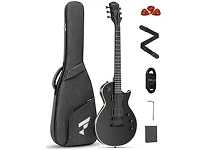
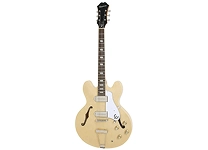
Electric guitars suit a wide range of sounds, techniques, and experience levels, from first practice sessions to live performance and recording. Solid-body models are versatile and commonly used for rock, pop, blues, and metal, while semi-hollow guitars balance resonance with amplified clarity. Hollow-body designs are often associated with jazz and warmer, more acoustic-like tones. Familiar options from Fender, Gibson, Yamaha, and Ibanez illustrate how body shapes and design choices vary across the category. Players may also compare six-string guitars with seven- or eight-string models for extended range, or consider a baritone for lower tunings. When browsing, think about the music you play, how the instrument will be amplified, and whether its size and feel suit your routine. Ubuy offers a way to discover electric guitars and related products from international selections.
- Solid-body, semi-hollow, and hollow-body designs
- Options for standard and extended-range playing
- Match body style to sound and performance needs
Compare Pickups, Tonewoods, and Guitar Electronics
Pickup configuration is one of the main factors shaping an electric guitar's amplified voice. Single-coil pickups often deliver a bright, clear response, while humbuckers are designed to reduce electrical hum and commonly produce a fuller sound. Some guitars combine both types or use coil-splitting controls for additional tonal choices. The selector switch, volume and tone knobs, and any onboard preamp or active electronics affect how quickly you can shape your sound. Body and neck materials also influence weight, feel, resonance, and overall balance; their effect varies with construction and the rest of the signal chain. Compare pickup placement, control layout, and electronics against the tones you need rather than relying on a single specification. These details help narrow choices for clean chords, expressive leads, high-gain playing, or varied styles.
- Compare single-coil and humbucker pickups
- Check controls, switching, and active electronics
- Consider materials alongside the full instrument design
Choose a Comfortable Neck, Scale Length, and Fretboard
A guitar's neck profile, scale length, and fretboard can make a meaningful difference to comfort and playability. Neck shapes range from slim profiles to fuller contours, so hand size and preferred thumb position are useful considerations. Scale length affects string tension and fret spacing; a longer scale can feel firmer at the same tuning, while a shorter one may feel more relaxed. Fretboard radius, fret size, and fingerboard material influence how bends, chords, and fast passages feel. Look for a neck that supports your playing rather than assuming one specification is best for everyone. Left-handed instruments, shorter-scale models, and guitars with different fret counts offer further options. If possible, compare measurements and setup details, and consider whether the instrument's weight and balance will remain comfortable during longer practice or performance sessions.
- Assess neck shape and hand comfort
- Compare scale length, fret count, and string feel
- Consider fretboard radius and playing position
Understand Hardware, Amplifiers, and Essential Accessories
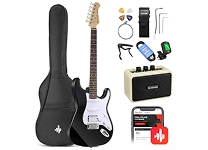
The electric guitar is part of a wider setup, and compatible equipment helps you get ready to play. Fixed bridges are straightforward and stable, while tremolo systems allow pitch effects and may require more involved tuning adjustments. Inspect tuning machines, nut, bridge, and hardware finish for features that fit your playing habits. A guitar amplifier shapes volume and tone; combo amps combine speaker and amplifier, while amp heads pair with separate speaker cabinets. Effects pedals, multi-effects units, and modeling equipment can add distortion, delay, modulation, and other sounds. Useful accessories include an instrument cable, strap, picks, spare strings, tuner, and a suitable case or gig bag. Check connector type, power requirements, and instrument compatibility before adding electronics. Ubuy can help shoppers discover international electric guitar accessories and equipment, while product specifications remain important for confirming fit.
- Compare bridge types and tuning hardware
- Pair guitars with compatible amps and effects
- Plan for cables, strings, tuners, and protection
Set Up, Maintain, and Use Your Electric Guitar
A suitable setup supports reliable tuning and comfortable action. String gauge, tuning, neck relief, bridge adjustment, and intonation work together, so changing one can affect the others. Beginners can start with the manufacturer's recommended string type and seek qualified setup assistance if frets buzz, notes play out of tune up the neck, or the instrument feels difficult to play. Wipe strings and surfaces after playing, store the guitar in an appropriate case, and avoid exposing it to abrupt temperature or humidity changes. Replace worn strings and check cables, strap locks, and battery-powered electronics as needed. Electric guitars work for home practice, lessons, studio recording, rehearsal, and stage performance, with the right amplifier or audio interface for the setting. Ubuy is another platform for exploring guitars and maintenance essentials from international product selections.
- Keep strings, hardware, and electronics in good condition
- Check setup when tuning or playability changes
- Choose an amp or interface for the intended setting
Select the Right electric guitars
To choose among electric guitars, begin with your playing level, preferred genres, and a realistic budget, then compare instruments by feel and function. Decide whether you need a versatile solid body, a resonant semi-hollow design, an extended-range neck, or another specific format. Review pickup types, switching, bridge design, scale length, weight, and control placement; prioritize features you will use rather than extras that add complexity. Check whether a case, amplifier, or other accessories are included, and verify compatibility separately where necessary. Product descriptions can clarify specifications, but hands-on assessment is valuable for judging neck comfort, balance, and access to upper frets. New players may prefer a straightforward setup, while experienced musicians can focus on specialized tones or hardware. A thoughtful comparison makes it easier to find an instrument that inspires regular practice and fits its intended role.
- Start with genre, experience, and budget
- Prioritize comfort and useful specifications
- Confirm included items and equipment compatibility