Digestive Supplements for Everyday Gut Health
Digestive supplements include products formulated to complement the diet with ingredients such as probiotics, prebiotics, digestive enzymes, and fiber. Shoppers may explore them for general digestive wellness, regularity, or support when changing eating habits, while recognizing that supplements are not a substitute for medical care or a balanced diet. Probiotics contain live microorganisms, and product labels may identify specific strains; prebiotics are fibers that serve as food for beneficial gut bacteria. Enzyme formulas provide enzymes such as lactase or protease, while fiber products may use psyllium or inulin. These categories work differently, so the best starting point is a clearly stated ingredient and purpose rather than a broad promise. Ubuy can help shoppers discover digestive supplement products from international brands and compare their listed ingredients.
- Probiotic, enzyme, prebiotic, and fiber formulas
- Compare ingredients with intended use
- Supplements complement, not replace, care
Explore Probiotics, Prebiotics, and Synbiotics
Probiotic supplements are available in capsules, tablets, powders, and chewables, with formulations that may contain one strain or several. Labels commonly list genus, species, strain identification, and the amount included, details that make products easier to compare. A larger number alone does not determine which formula suits an individual, and storage directions can differ between products. Prebiotic supplements often contain fibers such as inulin or fructooligosaccharides, while synbiotic products combine prebiotics and probiotics. Some shoppers also look for fermented-food-inspired ingredients, but these are not automatically equivalent to a probiotic supplement. Review serving directions, allergen statements, and any storage requirements before choosing. People with underlying health concerns, a weakened immune system, or regular medication use should discuss probiotic use with a qualified healthcare professional.
- Check strain and serving information
- Compare capsule, powder, and chewable forms
- Follow product storage instructions
Digestive Enzymes and Targeted Formulas
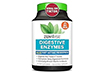
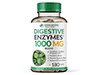
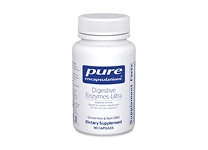
Digestive enzyme supplements may contain individual enzymes or blends intended to help break down particular components of food. Lactase is associated with lactose digestion, while protease, lipase, and amylase are enzymes that act on proteins, fats, and carbohydrates respectively. Product directions can specify taking a formula with a meal, so read the label and follow its guidance instead of assuming all enzymes are used in the same way. Some blends include plant-derived enzymes such as bromelain or papain, alongside other ingredients. Check the complete formula for potential allergens, added herbs, and interactions with medicines or existing conditions. Enzyme products are not interchangeable with treatments for diagnosed digestive disorders. Ubuy offers a place to browse international digestive supplement options and inspect product descriptions, ingredient lists, and serving details before deciding what to discuss with a healthcare professional.
- Lactase and multi-enzyme blends
- Read meal-use directions carefully
- Review complete ingredient and allergen lists
Fiber, Regularity, and Digestive Wellness
Fiber supplements can be a convenient way to add specific types of dietary fiber when food intake is limited or a person is adjusting their routine. Psyllium is commonly sold as a powder, capsule, or wafer, while inulin and other soluble fibers appear in powders and combination formulas. Products differ in texture, flavor, serving size, and how easily they mix into liquids or foods. Increase fiber gradually and drink fluids according to the product directions; sudden changes may be uncomfortable for some people. Fiber can affect how some medicines are absorbed, so ask a pharmacist or healthcare professional about timing when needed. Compare the amount of fiber per serving, added sweeteners, and any flavoring or thickening agents. Dietary sources such as vegetables, fruit, legumes, and whole grains remain useful parts of an overall eating pattern.
- Psyllium, inulin, and other fiber types
- Compare serving size and mixability
- Consider fluids and medicine timing
Formats, Ingredients, and Safe Supplement Use
Digestive supplements come in capsules, tablets, powders, gummies, liquids, and single-serve sachets, allowing shoppers to compare convenience, taste, and serving preferences. A supplement facts panel can clarify active ingredients, amounts per serving, suggested use, and whether a formula includes fillers, sweeteners, or common allergens. Look for clear product labeling and avoid choosing solely by a prominent front-label claim. Check whether ingredients align with dietary preferences, such as vegetarian or gelatin-free requirements, and review storage instructions, especially for products containing live cultures. Brand names including Culturelle, Align, Garden of Life, NOW Foods, and Metamucil are associated with digestive wellness products; formulations vary, so compare the specific item rather than relying on brand alone. Ubuy can help shoppers explore international product listings, but suitability depends on the label and individual needs.
- Choose a practical format and serving routine
- Review supplement facts and allergens
- Compare individual formulas, not just brands
Select the Right digestive supplements
Start by identifying what you want to compare: probiotic strains, a particular enzyme, a fiber type, or a straightforward daily format. Read the full label for serving size, active ingredients, directions, allergens, and storage, then consider whether the product fits your diet and routine. Check compatibility with medicines and existing health conditions with a pharmacist or healthcare professional, particularly before using a product for persistent symptoms, during pregnancy, or for a child. Avoid combining several formulas with overlapping ingredients unless a qualified professional advises you to do so. If a supplement causes an unexpected reaction, stop using it and seek appropriate advice. Keep expectations realistic: products differ, responses can vary, and digestive supplements do not diagnose or treat disease. A careful comparison helps you choose an option that is understandable, practical, and suited to a conversation with a health professional.
- Match ingredients to your comparison needs
- Check compatibility and directions
- Seek professional advice for health concerns