Explore Essential Camera Accessories
Camera accessories help tailor a camera kit to the way you shoot, whether you are documenting travel, creating video, photographing wildlife, or working in a studio. Common options include interchangeable lenses, tripods, camera bags, memory cards, batteries, flashes, filters, microphones, and remote shutter releases. Each accessory solves a different practical need: a tripod steadies long exposures, a spare battery extends a shoot, and a protective bag makes equipment easier to carry. Accessories may be designed for mirrorless cameras, DSLRs, compact cameras, action cameras, or smartphones, so the camera type is a useful starting point. Consider which parts of your current setup limit your results before adding gear. A focused kit can improve comfort, reliability, and creative flexibility without requiring a new camera body.
- Build a kit around your camera and shooting style
- Compare accessories by purpose and compatibility
- Prioritize practical upgrades for your workflow
Check Camera Compatibility and Mounts
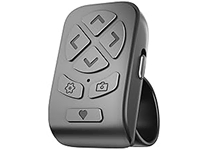
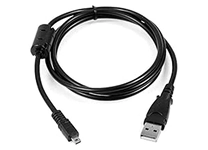
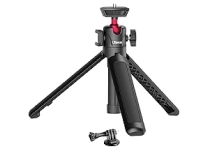
Compatibility matters because accessories connect to cameras in different ways. Lenses require a mount that matches the camera system, while flashes may use a hot shoe or a wireless trigger. Microphones and headphones connect through specific audio ports, and remote controls can use wired connections, Bluetooth, or infrared. For tripods and quick-release plates, check the mounting thread and plate system; a standard 1/4-inch connection is common, but the plate still needs to fit the tripod head. Battery shape, voltage, charger type, and memory-card format also vary by model. Before buying, confirm the camera's exact model and consult its manual or manufacturer specifications. This extra check helps avoid accessories that do not connect, fit, or function as expected, particularly when mixing equipment from different systems.
- Match lens mounts and camera connections
- Verify battery, charger, and card formats
- Check tripod threads and quick-release systems
Choose Lenses, Filters, and Stabilization
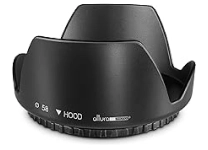
Lenses and stabilization accessories influence framing, image character, and camera movement. Wide-angle lenses suit interiors and expansive landscapes, standard zooms cover everyday scenes, and telephoto lenses bring distant subjects closer. Macro lenses and extension tubes help capture small details, while lens hoods can reduce stray light and help protect the front element. Filters serve distinct purposes: a polarizing filter can reduce reflections, and neutral-density filters limit light for longer exposures or video shutter control. Tripods, monopods, gimbals, and handheld stabilizers offer different balances of support and mobility. Check filter diameter, lens mount, payload rating, and camera-lens weight before choosing. Photographers and video creators can compare options from brands such as Canon, Nikon, and Sony, while matching equipment to the intended subject and shooting conditions.
- Select focal length for subject and framing
- Match filters to lens diameter
- Check stabilizer capacity for the complete setup
Plan Lighting, Audio, and Camera Support
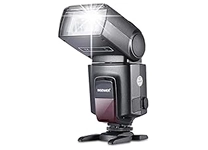
Lighting and sound accessories can make photo and video work more controlled. On-camera flashes, speedlights, LED panels, reflectors, softboxes, and light stands help shape or supplement available light. Look at output, color temperature, brightness adjustment, power source, and mounting options when comparing lights. For video, external microphones may include shotgun, lavalier, or stereo designs; choose based on whether you need focused dialogue, hands-free speech, or ambient sound. Windshields and shock mounts can further reduce handling noise and wind interference. A tripod head affects how smoothly a camera can be positioned, with ball heads favoring quick adjustments and fluid heads supporting controlled video movement. Manfrotto is a familiar name in camera support equipment. Consider setup space, portability, and the connections your camera offers.
- Compare light output and control options
- Choose microphones for the recording situation
- Match support equipment to camera movement
Protect, Power, and Store Camera Gear
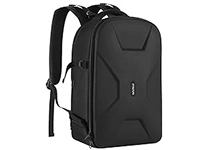
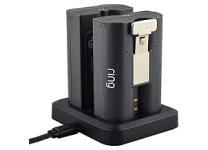
Reliable storage, power, and protection are important parts of a camera kit, especially when shoots last for hours or involve frequent travel. Spare batteries and compatible chargers help keep equipment ready, while power banks or external power solutions may support certain cameras during longer recording sessions. Memory cards should match the camera's supported format, capacity, and speed requirements; video recording may call for a faster card than everyday still photography. Card readers can simplify transfers, and portable drives provide another place to organize files. Padded camera bags, backpacks, cases, rain covers, and lens pouches help keep gear organized and reduce exposure to bumps, dust, or moisture. Ubuy offers a place to discover international camera accessories across different product types. Check dimensions, closures, padding, and carrying comfort to suit your equipment.
- Match card speed to camera recording needs
- Choose storage by kit size and carrying style
- Check power accessories against camera specifications
Select the Right camera accessories
Start by identifying the job an accessory needs to do, then compare its specifications with your camera and the rest of your kit. For a lightweight travel setup, compact support, a versatile zoom, extra storage, and a protective sling may be more useful than studio equipment. For video, prioritize stable mounting, clear audio, lighting control, and dependable power. For close-up or landscape photography, lens choices and filters may have a larger impact. Review dimensions, weight, material, adjustment range, included adapters, and care requirements; these details affect daily use as much as headline features. Ubuy can help shoppers discover international camera accessories for different creative needs. Read product details carefully, confirm model compatibility, and consider how each item will fit into your existing workflow before completing a camera kit.
- Set priorities based on your shooting goals
- Compare specifications and included components
- Confirm fit with your existing camera system