Bedding Sheets and Pillowcases for Everyday Comfort
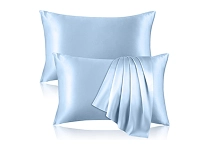
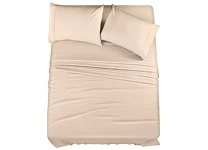
Bed sheets and pillowcases are the fabric layers that sit closest to you while you sleep, influencing comfort, temperature, and the look of a bedroom. A typical sheet set includes a fitted sheet for the mattress, a flat sheet for layering, and pillowcases sized to match the pillows. Some sets also include extra pillow shams or coordinating pieces. Shop by bed size and sleep preferences, then compare fabric, weave, feel, and care instructions. Crisp percale, smooth sateen, breathable linen, and soft brushed cotton each create a different sleep experience. Pillowcase closures, seam construction, and pocket depth can also affect fit and day-to-day use. Understanding these details helps narrow a broad selection to bedding that works with your mattress, pillows, climate, and routine.
- Compare coordinated sheet sets and individual pieces
- Match pillowcase size to your pillows
- Consider comfort, appearance, and care
Compare Sheet Fabrics, Weaves, and Feel
Material and weave shape how sheets feel and perform. Cotton is a popular natural fiber, with varieties such as Egyptian or Pima cotton often described by fiber characteristics; check product specifications rather than relying on labels alone. Percale uses a plain weave for a crisp, airy feel, while sateen has a smoother surface and subtle sheen. Linen, made from flax, is known for its relaxed texture and breathable character, while microfiber offers a lightweight, easy-care synthetic option. Bamboo-derived viscose and other regenerated fibers may feel silky, but construction and care directions vary. Thread count can provide context for cotton bedding, yet it is not a standalone measure of quality: fiber length, yarn, weave, and finishing matter too. Consider your preferred softness, warmth, and maintenance before choosing.
- Percale feels crisp; sateen feels smooth
- Compare fiber and weave, not thread count alone
- Check care needs for each material
Explore Sheet Sets, Pillowcases, and Specialty Options
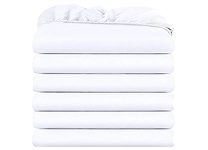
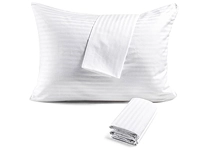
Bedding comes in configurations designed for different sleep setups. A fitted sheet has elastic edges to hold it on the mattress; a flat sheet adds a washable top layer, and pillowcases protect pillows while coordinating the bed. Twin, full, queen, king, and other sizing labels can vary by product, so use the listed dimensions when comparing sets. Deep-pocket fitted sheets are made for taller mattresses, including some setups with mattress toppers. Split or adjustable-bed sheets may use specialized designs to accommodate separate mattress sections. Pillowcases commonly come in standard, queen, and king sizes, while decorative shams are intended primarily for styling. Separate pieces can help replace a worn item or mix colors and fabrics. Review exactly what each set contains before purchase to avoid assumptions about included accessories.
- Check the set contents before ordering
- Look for deep-pocket or split-fit designs when needed
- Distinguish pillowcases from decorative shams
Fit, Construction, and Features to Check
A good fit starts with measuring mattress width, length, and depth, including any topper or protector that will remain in place. Compare those measurements with the fitted sheet's dimensions and stated pocket range; elastic placement and corner construction influence how securely it stays put. For pillowcases, match the opening dimensions to the pillow insert and consider envelope, flap, or open-end closures. Look closely at seams, hems, stitching, and fabric weight, since these details affect appearance and handling. Labels such as cooling, wrinkle resistant, or hypoallergenic describe intended features, but performance depends on materials, finishing, and personal needs. If you have sensitive skin, review fiber and care information and consider a fabric that feels comfortable after washing. Product dimensions and specifications are more useful than relying on size names alone.
- Measure mattress depth with toppers included
- Compare dimensions and pocket range
- Review seams, closures, and feature claims
Care, Layering, and Bedroom Use
Follow the care label to help preserve color, texture, and fit. Many cotton sheets can be machine washed, while linen, specialty finishes, and delicate fibers may call for gentler settings or specific drying instructions. Wash bedding before first use when the label permits, separate colors as appropriate, and avoid excessive heat if shrinkage is a concern. Rotating sheet sets gives each set time between uses and helps make laundry routines easier. For a layered bed, coordinate fitted and flat sheets with pillowcases, then add blankets or a duvet according to comfort and season. Ubuy can help shoppers discover international bedding products and compare materials, sizes, and set configurations in one place. Before adding an item to your selection, check its measurements, included pieces, fabric details, and maintenance guidance.
- Follow the product care label
- Rotate sets to support regular bedding care
- Layer sheets according to comfort and season
Select the Right bedding sheets pillowcases
Start with the bed: confirm mattress size and depth, pillow dimensions, and whether you use a topper, protector, or adjustable base. Next, decide how the bedding should feel, such as crisp percale, silky sateen, textured linen, or soft microfiber. Compare fabric composition, weave, set contents, color, and care requirements, then weigh these details against your sleep habits and bedroom style. If you tend to feel warm, prioritize breathable construction and lighter layering; if you prefer a cozy feel, consider a smoother or more substantial fabric. Check product measurements and return to the specifications whenever sizing labels seem unclear. Ubuy offers a way to explore bedding from international product selections, making it easier to consider different fabrics and designs. Choose pieces that fit your setup, suit your routine, and feel inviting night after night.
- Confirm dimensions before selecting a size
- Choose fabric and weave for your comfort
- Balance care, fit, and bedroom style