Explore Bathroom Cleaner Types and Uses
Bathroom cleaners are formulated to tackle the mix of soap residue, body oils, mineral deposits, and everyday grime found on bathroom surfaces. The category includes multipurpose sprays for sinks and counters, toilet bowl cleaners, tub and tile products, glass cleaners for mirrors and shower doors, and targeted limescale or soap-scum removers. Some products are designed for routine wipe-downs, while stronger formulas address established deposits or stains. Choosing a cleaner suited to the job can make bathroom care more efficient and help protect finishes. Consider where and how often you will use it: a daily shower spray serves a different purpose from a gel that clings inside a toilet bowl. Ubuy provides a platform for discovering bathroom cleaning products from international brands and comparing different product types.
- Shop sprays, gels, foams, and targeted cleaners
- Match the formula to the cleaning task
- Consider routine care and deep-cleaning needs
Match Bathroom Cleaners to Surfaces
Surface compatibility is an important buying consideration because bathrooms combine materials with different care requirements. Ceramic and porcelain tile, glazed sinks, glass, stainless steel, acrylic tubs, natural stone, and coated fixtures may each respond differently to cleaning ingredients and scrubbing. Read the product label before use, especially for marble, limestone, granite, colored grout, and delicate finishes; acidic or abrasive formulas may be unsuitable for some surfaces. A bathroom cleaner marked for tile is not automatically appropriate for every tile type or for nearby stone. For shower doors and mirrors, a glass-specific formula can help address water marks while reducing residue. When unsure, follow the surface manufacturer's care guidance and test the cleaner on a small, inconspicuous area first. Pair the right product with a soft cloth or non-scratch sponge.
- Check labels for approved surfaces
- Take extra care with natural stone and coatings
- Use non-scratch tools on delicate finishes
Understand Ingredients and Cleaning Performance
Bathroom cleaner labels describe both the intended task and the type of formula inside. Acid-based products are commonly chosen for mineral scale and hard-water deposits, while alkaline cleaners can help loosen greasy soils and soap residue. Bleach-based products may be intended for particular stain or disinfection tasks, but they are not interchangeable with every surface cleaner. Never mix cleaning products, especially bleach with ammonia or acidic cleaners, because hazardous fumes can result. Fragrance-free options may suit shoppers who prefer less scent, while scented formulas leave a noticeable fragrance after cleaning. Some products emphasize plant-derived ingredients or biodegradable formulations; check the label for details rather than relying on broad marketing terms. Brands such as Clorox, Lysol, and Method offer different cleaning products, so compare directions, ingredient information, and the surfaces each formula is designed to clean.
- Compare active ingredients and intended tasks
- Never combine different cleaning products
- Review fragrance and ingredient information
Choose a Format, Tool, and Useful Accessory
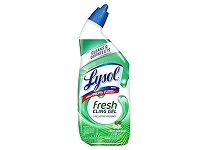
Product format affects application and convenience. Trigger sprays are useful for covering sinks, counters, and shower walls; foams can cling to vertical areas; and toilet bowl gels are designed to coat the inside of the bowl. Concentrates may require dilution according to label directions, while wipes offer a ready-to-use option for quick cleaning. Pair cleaners with suitable tools, such as microfiber cloths for wiping, a toilet brush for bowl cleaning, grout brushes for narrow joints, and a squeegee for shower glass. Avoid abrasive pads on surfaces that scratch easily. Storage and dispensing also matter: consider whether a bottle is easy to handle and whether the product can be stored securely away from children and pets. Ubuy can help shoppers explore varied formats and accessories alongside bathroom cleaning products.
- Choose sprays, foams, gels, wipes, or concentrates
- Select tools suited to each surface
- Store products securely and follow label directions
Clean Effectively and Maintain Bathroom Surfaces
A consistent cleaning routine can help prevent soap scum, visible water marks, and grime from becoming harder to remove. Begin by checking the cleaner's instructions for required contact time, dilution, rinsing, and ventilation. Apply only to the surfaces specified, and use a separate cloth or brush for the toilet and other bathroom areas to avoid transferring soil. Rinsing may be necessary, particularly on surfaces that come into contact with skin or water. After showering, ventilation and a squeegee can help limit moisture on glass and tile, while regular wiping keeps sinks and counters presentable between deeper cleans. Wear any protective equipment indicated on the label, avoid breathing spray mist, and keep products in their original containers. These simple habits support effective cleaning without relying on excessive product or force.
- Follow contact time, rinsing, and ventilation guidance
- Use separate tools for toilet and sink areas
- Maintain surfaces with regular wiping
Select the Right bathroom cleaners
Start by listing the surfaces and recurring problems you need to address, such as soap scum on shower walls, mineral buildup around taps, or stains in the toilet bowl. Then compare product labels for compatible materials, target soils, application format, and instructions. A small collection of task-specific products may be more practical than expecting one formula to clean every surface. Consider scent preference, ingredient information, ease of application, and whether you already have suitable cloths or brushes. For an unfamiliar finish, consult its care guidance and test a product discreetly before broader use. Check package directions for storage and precautions, and select a size that suits your cleaning routine. Ubuy is a place to discover international bathroom cleaner options and compare product details, helping you make a considered choice for everyday upkeep or focused cleaning.
- Identify surfaces and cleaning priorities first
- Compare compatibility, format, and instructions
- Choose products that fit your routine